


2015
Year of Founding
ART FAIR ASIA FUKUOKA is born
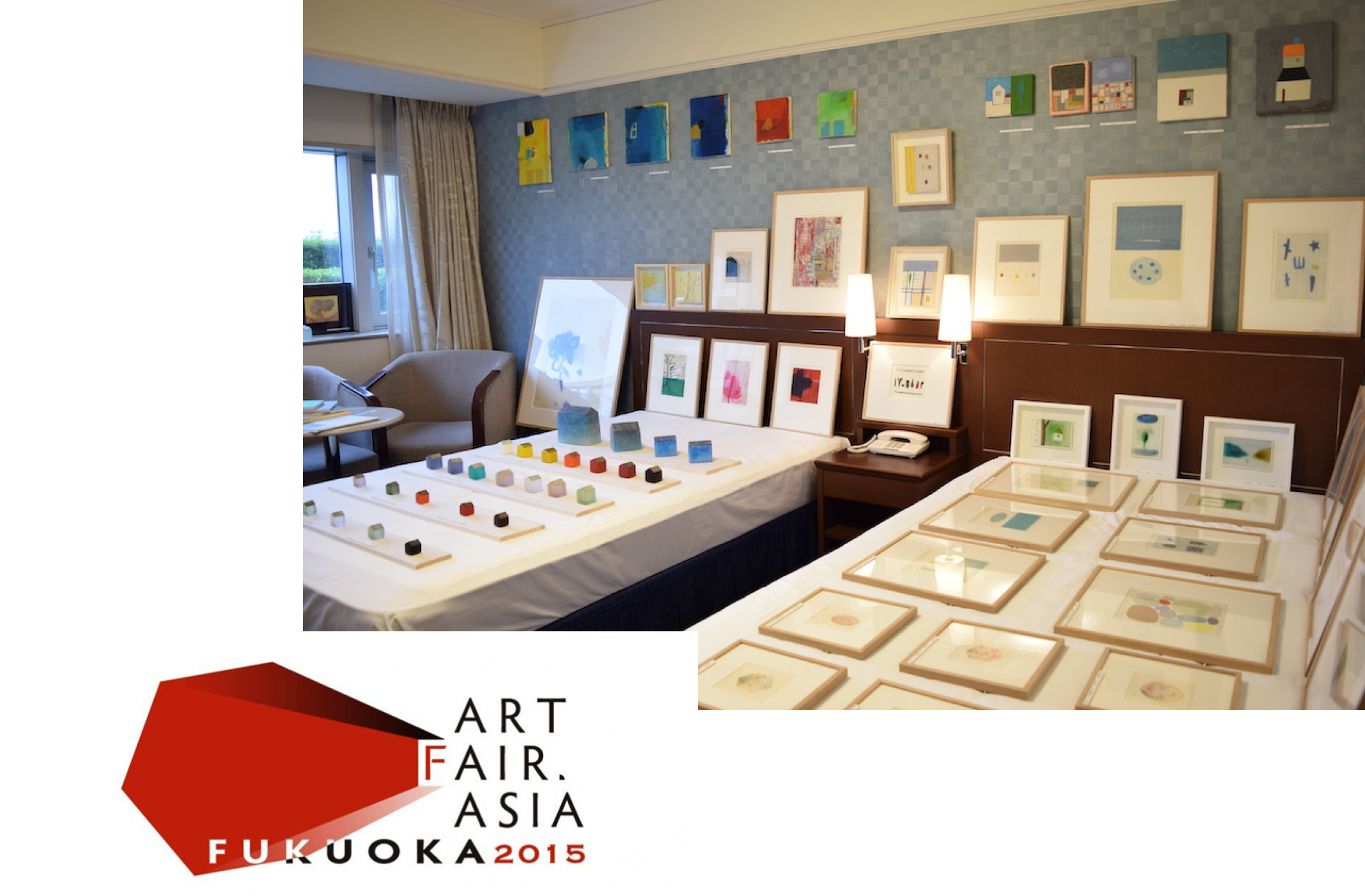
AFAF was born in 2015 after a meeting with the late Kazuhiro Nishimuta, who passed away at the young age of 34. Learning that the Nishitetsu Group was exploring new projects, Nishimuta proposed the then-popular art fair held at the Agnes Hotel in Tokyo. The proposal was met with immediate approval, and just six months later, the event was scheduled to be held at the Hotel Solaria. Preparations began in an extremely short space of time, despite a lack of expertise.
Although fewer than 30 galleries participated, the influential galleries, including Mizuma Gallery, which had participated in major international fairs, joined, demonstrating the high expectations placed on this new fair from Fukuoka.
At the same time, galleries both in Japan and overseas pointed out the weaknesses of Japan’s art market and the need to build international networks.
The fair was named “ART FAIR ASIA FUKUOKA” because we wanted to position Fukuoka not simply as a domestic fair, but as an “international fair open to Asia.” At the time, there were no fairs bearing the words “Asia” or “international” in their names, and the name embodied our strong desire to create a new venue where values could be shared with the rest of the world.
Furthermore, we featured the Kyushu School, a group that symbolizes the region’s unique characteristics. Based on the belief that “it is only by thoroughly exploring regional expression that we can create value that is relatable to the world,” we introduced the Kyushu School, which was gaining international recognition, and played a role in connecting the region with the world.
In December of the same year, we visited Art Kaohsiung in Taiwan, and after seeing the art district in collaboration with the local government, we began to envision even more clearly the future of Fukuoka as a “gateway to contemporary art.”
2016
Second event
Held at Hotel OKURA
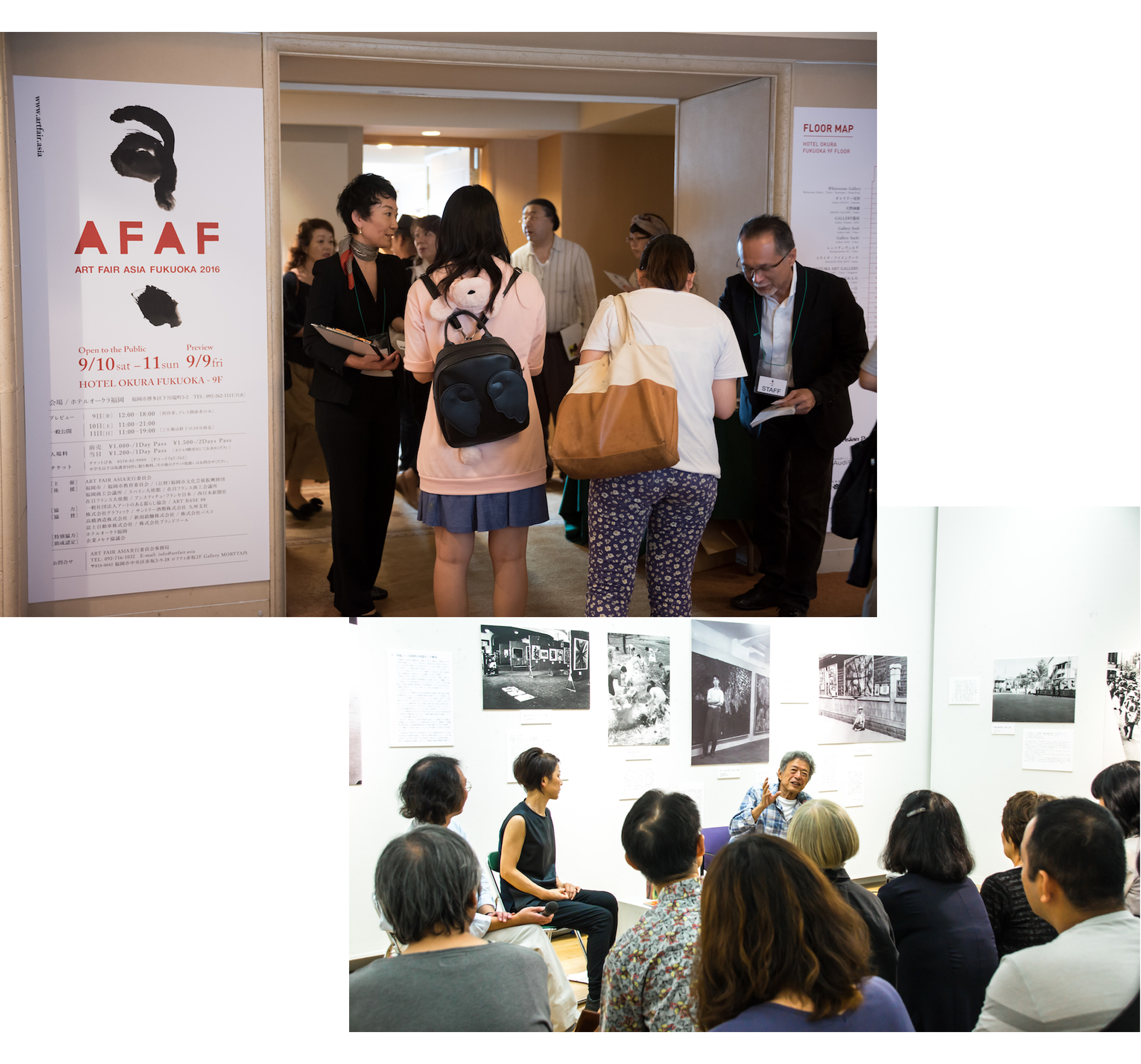
By holding an art fair every year, we gain the trust of participating galleries. Naturally, we had planned to hold the fair at the Solaria Hotel in 2016, but we received news that the hotel was closed due to renovations, and we had to quickly find a new venue.
At the time, Fukuoka’s hotel industry was booming, making it nearly impossible to rent an entire floor. Furthermore, it was a time when few people believed in the power and potential of art.
Based on this belief, “Top-class hotels and restaurants house top-class art,” we decided that the only venue we could find was the HOTEL OKURA FUKUOKA, adjacent to the Asian Art Museum. However, we were repeatedly turned down by those in charge, who said there was no precedent for it. Looking back, this reaction may have been understandable.
Still, the power of art can make the impossible possible. Undeterred, we continued our approach, and with the cooperation of city council member Hashida, we had the opportunity to directly convey our ideas to then-President Mizushima. We persistently explained the power of art and the significance of the fair, and finally received the go-ahead. Thus, AFAF took its first steps toward hosting the fair on a new stage.
2017
Kyushu School Lecture held
Expanding opportunities for learning and friends
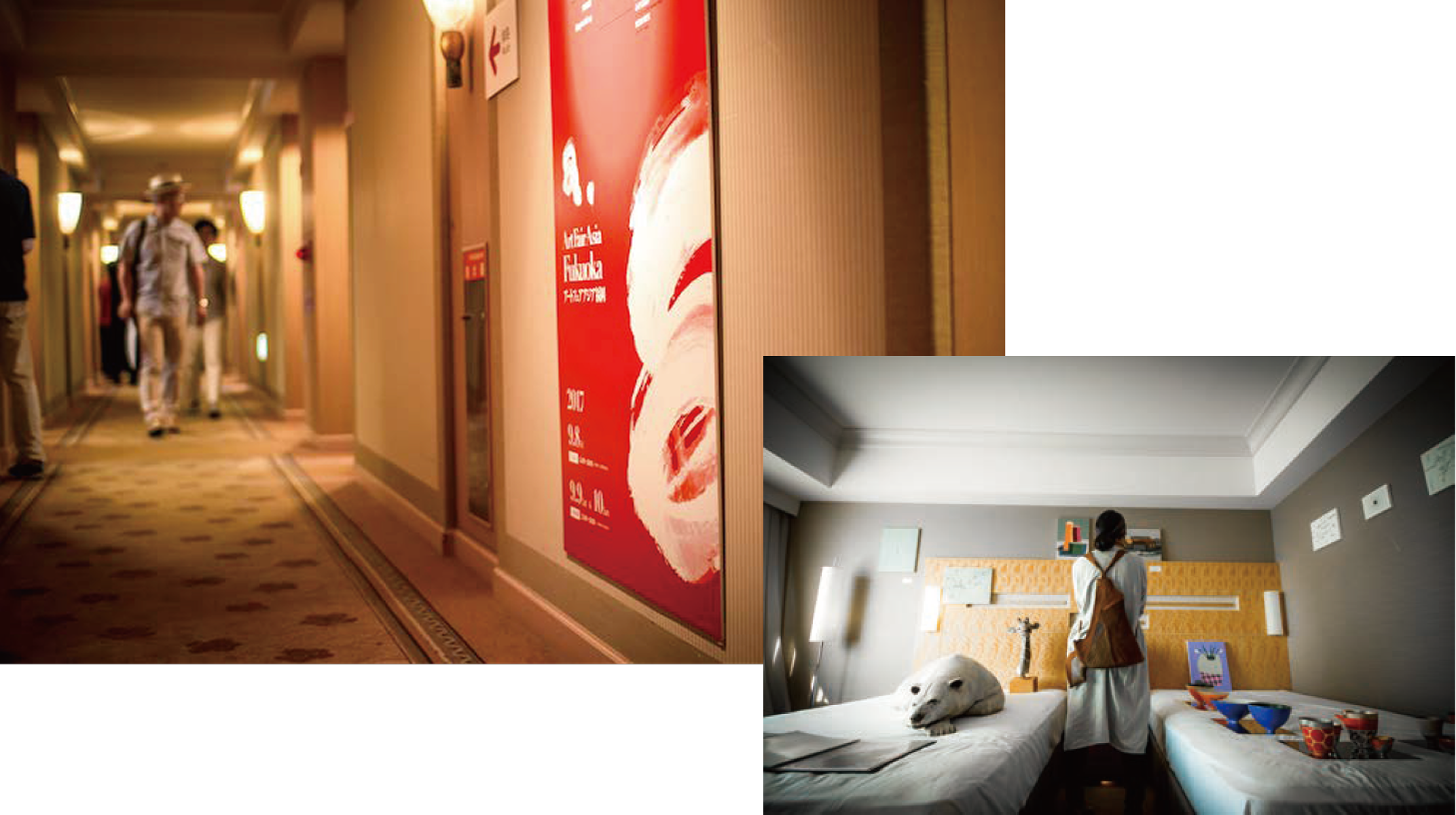
This year’s event was held at the Hotel Okura again. Young staff from Fukuoka City Hall and the prefectural government volunteered to help out. We wanted to dispel the impression that art is intimidating and create a space where people could enjoy it casually. With that in mind, we launched “Gallery Hashigozake” (Gallery Ladder Drinking) at Gallery MORYTA on Keyaki Street the previous year. This event gradually gained widespread acceptance among local residents, and many of the staff involved continue to support AFAF. Some even began to collect art themselves and spread the word about its appeal to those around them.
As part of our efforts to promote the Kyushu School, we also hosted a lecture by curator Yozo Yamaguchi at the Asian Art Museum. This also created a learning opportunity open to the public. Furthermore, that year, the Yokohama BayStars played in the Japan Series held in Fukuoka. Just before the series, BayStars fan Kota Futami visited the gallery, which led to the addition of Masaya Inoue of TODOROKI Co., Ltd., who currently manages AFAF. After volunteering the following year, AFAF strengthened its focus on “introducing international values” rather than “expanding in scale.”
2018
The year Art Scenes began
First attempt at online sales
2018 marked the fourth year of AFAF. It was held at the Hotel Okura, with 37 participating galleries. In addition to galleries in Kyushu, there were exhibitors from Tokyo and Osaka, as well as South Korea, Taiwan, Singapore, and Hong Kong, further strengthening the international flavor of the event.
A major feature of this year’s event was the introduction of online sales for the first time. In collaboration with “Art Scenes,” we made participating galleries’ information available online ahead of the event. This created a system that allowed even those who couldn’t attend the venue to purchase works online, marking a turning point in greatly expanding opportunities to experience art.
Around this time, we also wanted to enlist the cooperation of world-renowned art collector Daisuke Miyazu. Upon hearing that Miyazu would be speaking at the Taiwanese art fair “ART KAOHSIUNG,” we traveled to Kaohsiung with then-director Hitomi Kazuki and Masaya Inoue. After speaking with him in person, he readily agreed to collaborate with AFAF. This was another major step in AFAF’s quest for international expansion.

2019
First time holding events at two locations
An Unconventional Challenge and Expanding Possibilities
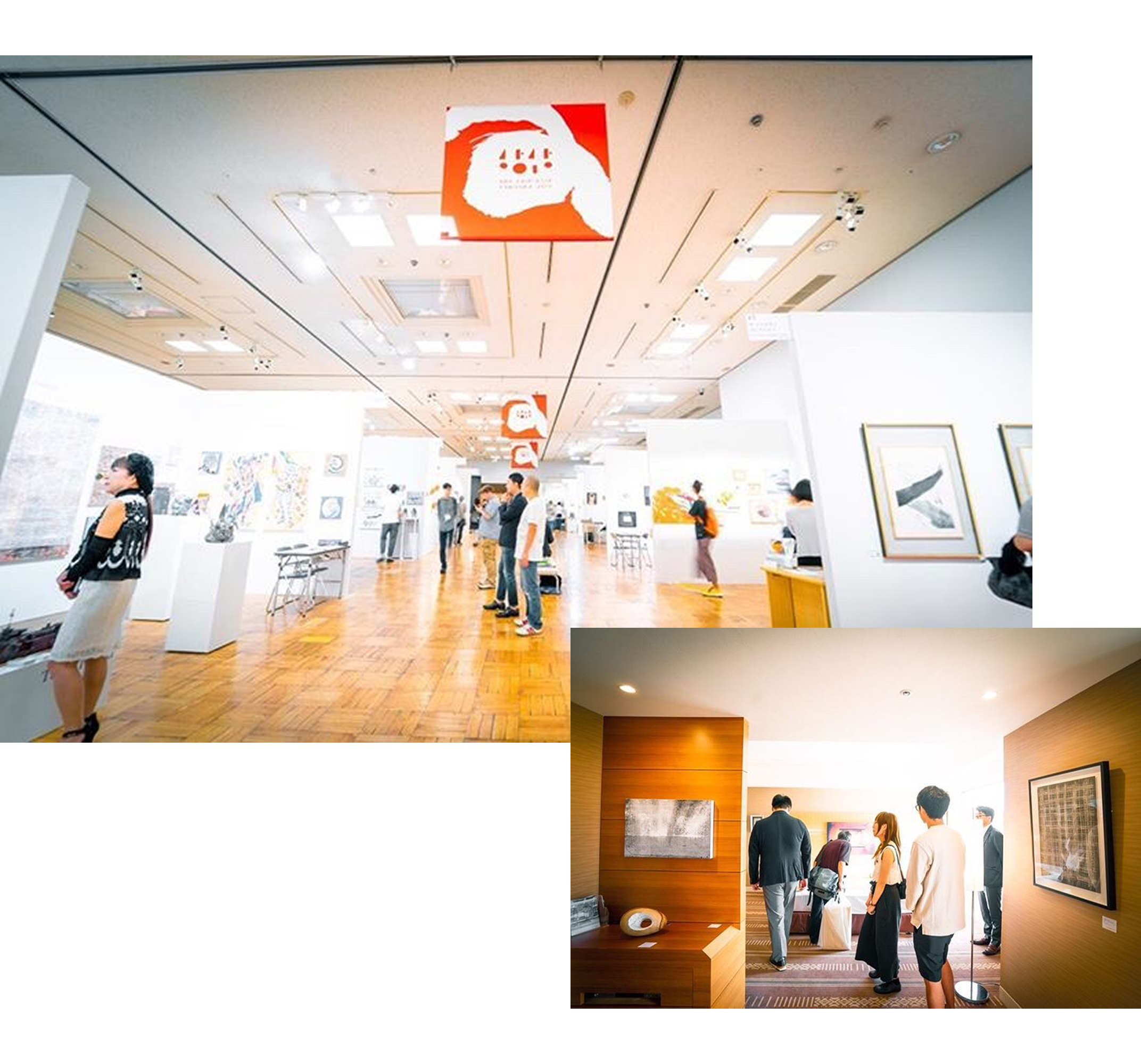
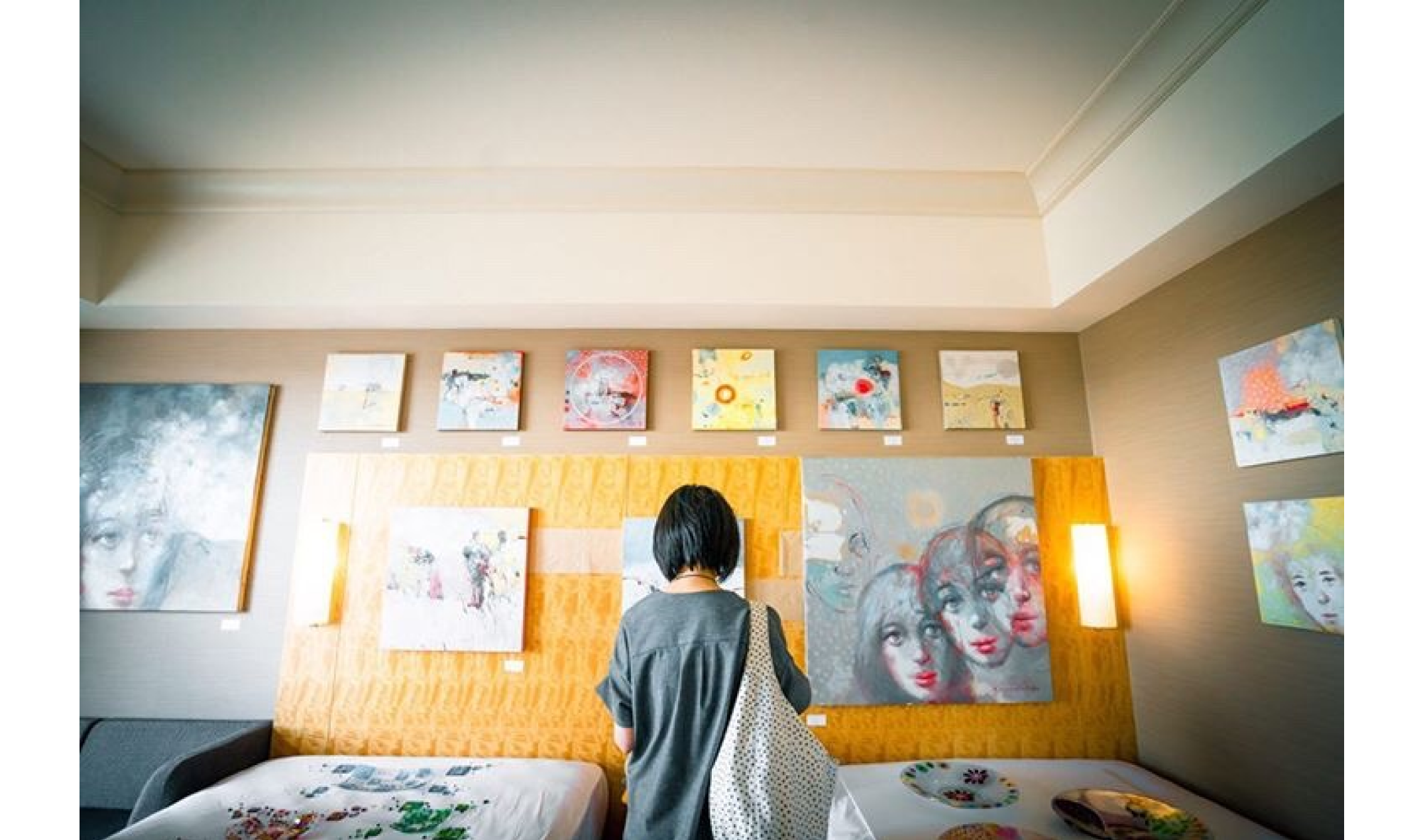
In addition to its previous hotel location, this year’s AFAF took the plunge and held the event in two locations, utilizing the Mitsukoshi department store’s event space. The idea of a department store and a gallery working side-by-side to hold an art fair was extremely rare in Japan at the time, and attracted a lot of attention. While art sales at department stores typically took place without the gallery’s name prominently displayed, AFAF deliberately removed this barrier, allowing the gallery to take the lead in the exhibition. This reflected a strong desire to deliver art to the public in a more open manner.
As a result, the hotel’s tranquil space and the bustling atmosphere of the department store created a synergistic effect, attracting a more diverse audience than ever before. By presenting a new model from the city of Fukuoka, this year’s event greatly expanded the possibilities for art fairs and their dissemination. This unusual endeavor served as an important stepping stone for AFAF’s subsequent development.
2020
Year of cancellation
A year filled with regret and stopping my progress
In 2020, the event was forced to be canceled due to the impact of COVID-19. It was a great regret to have to stop the progress we had made. As we search for online connections, this year also made us keenly aware that art fairs are truly a place that only works face-to-face, and that the meaning lies in the moment when people and artworks meet face-to-face. This experience served as a strong driving force for us to hold the next event.
2021
Expanding digital initiatives
Ingenuity born from adversity
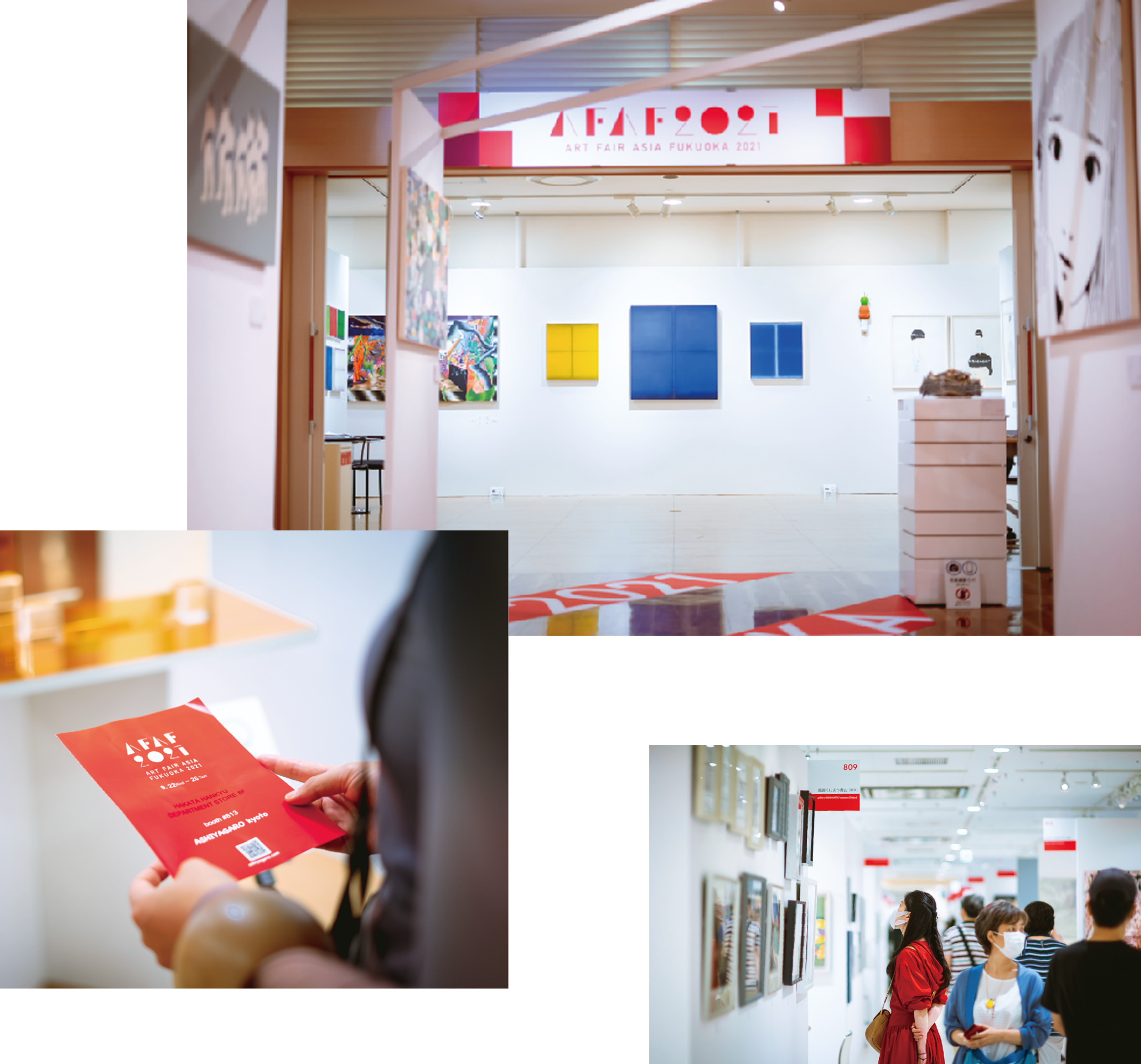
AFAF was held amid the ongoing impact of COVID-19. In addition to operating from two locations, one at the hotel and the other at Hakata Hankyu, 2021 was also a year in which we took on a series of unprecedented new challenges.
For those unable to visit the venue, we introduced an online sales system and released information about galleries and artworks in advance. Furthermore, we proactively undertook efforts that went beyond the scope of a traditional fair, such as providing online tours that conveyed the atmosphere of the venue and creating a VR space that allowed visitors to experience the arts in a immersive way.
These challenges were not merely alternative means, but demonstrated the potential to broaden the entry points for art. 2021 marked a major turning point for AFAF, as we continued to move forward even in difficult circumstances and demonstrated a flexible attitude that responded to changing times, leading to our next developments.
2022
First co-hosting event
A year of evolution, moving forward together with Fukuoka City
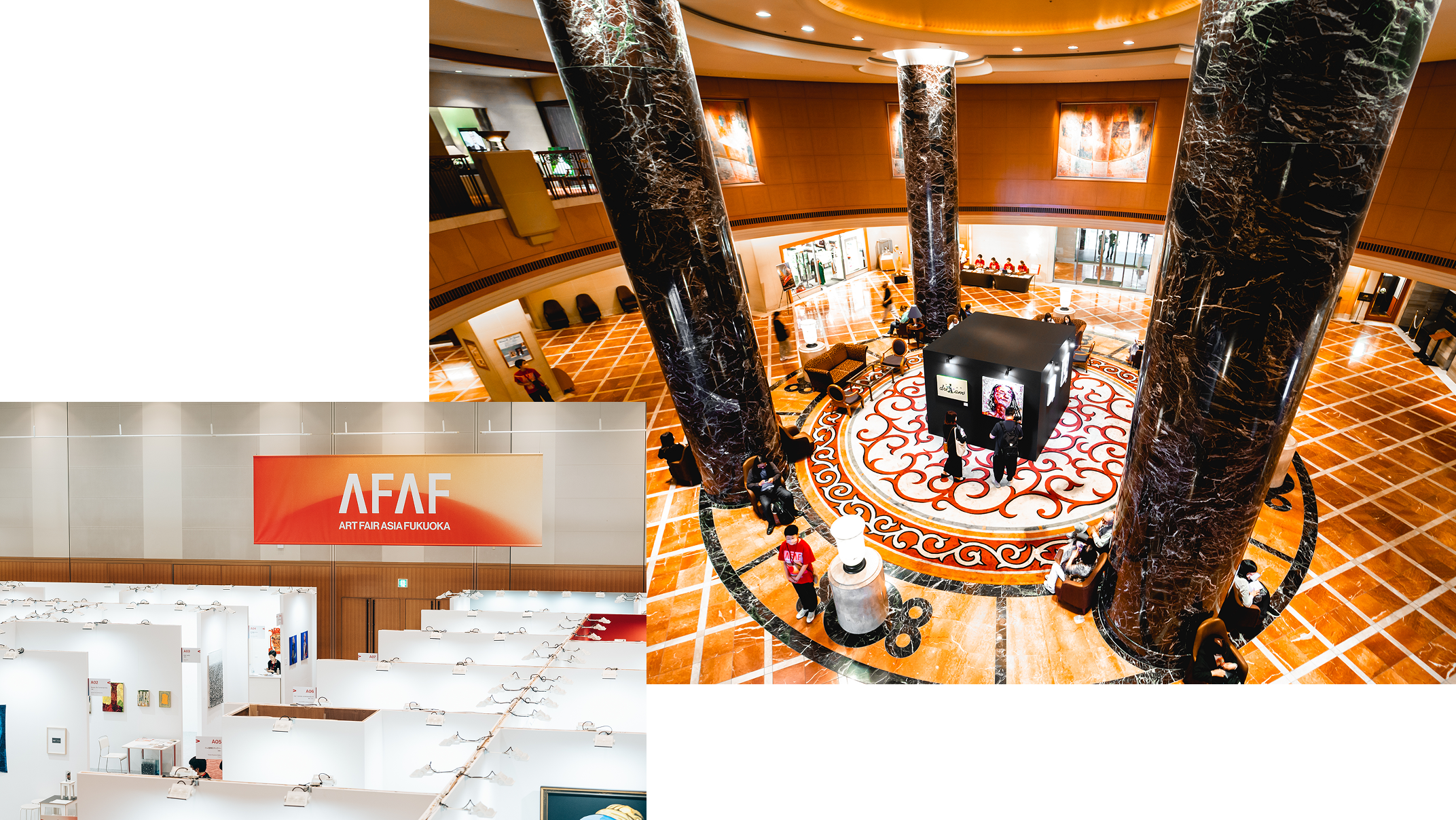
In 2022, AFAF was held at two venues: the Fukuoka International Congress Center and the Hotel Okura Fukuoka, further expanding the fair’s scale and presence. Particularly noteworthy was the launch of its first curated booth. The opening of “Leading Asia,” showcasing Asia’s leading artists, signaled AFAF’s evolution beyond a mere exhibition space into a stage showcasing contemporary Asia.
This year also marked a milestone, as the fair was co-hosted with Fukuoka City. Through collaboration between the local government and the art fair, “Fukuoka Art Next (FAN)” was launched, marking a full-scale citywide movement to promote art. As part of this initiative, “Fan Week” was launched, creating an atmosphere of artistic excitement throughout the city. Additionally, “Artist Cafe Fukuoka” was born, establishing a new base for young and local artists to share their work.
2022 was the year in which the entire city was immersed in art, and Fukuoka truly accelerated its progress as an “art city.”
2023
Transition to Marine Messe
Taking on a new stage
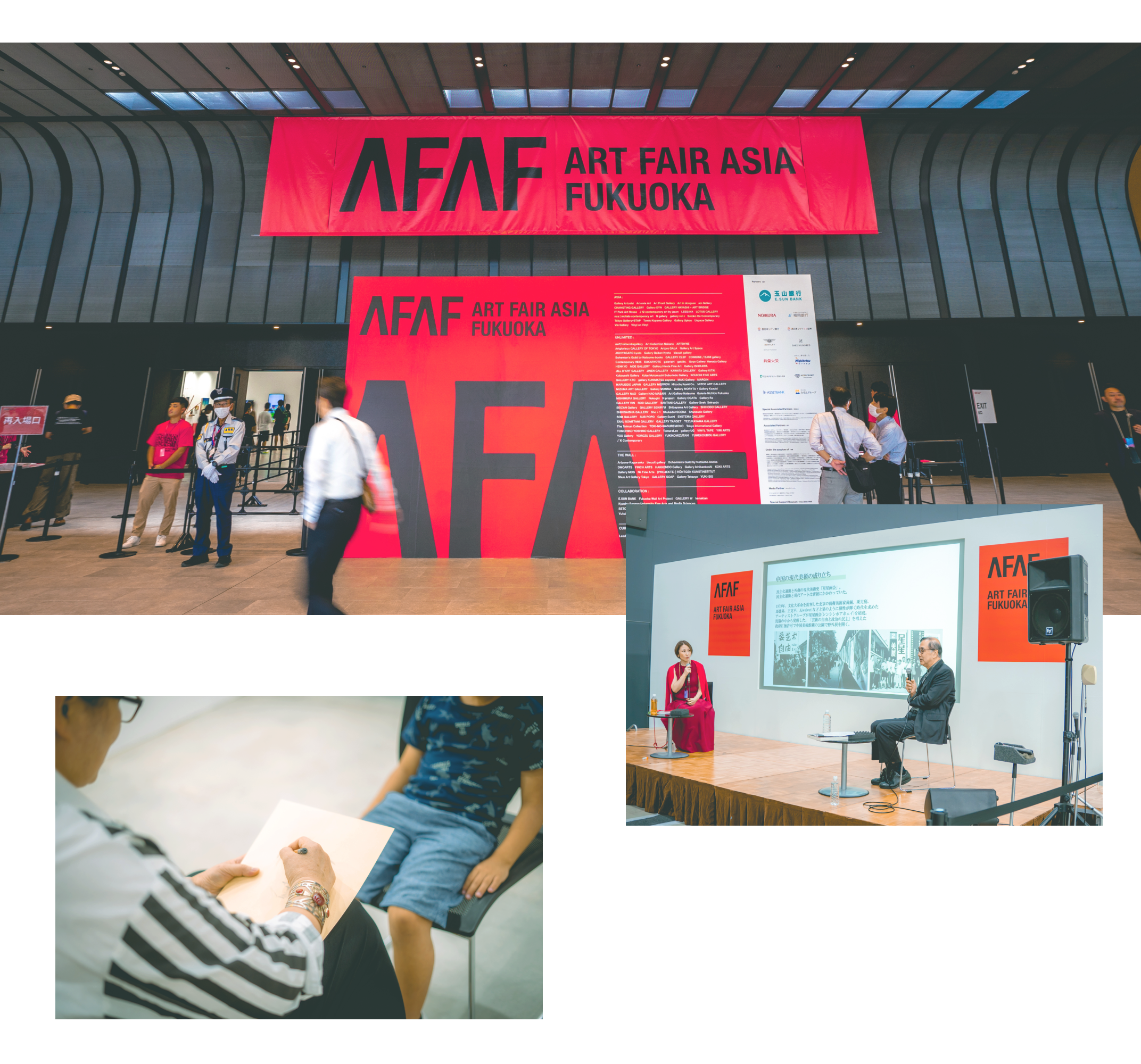
In 2023, AFAF finally made a major shift away from its longstanding hotel format and moved to Marine Messe Fukuoka Hall B. This evolution from a hotel fair held in a guest room to a larger, more authentic booth-style fair marked a historic turning point for AFAF.
The spacious exhibition space allowed for more dynamic presentations and diverse exhibits than ever before, bringing fresh surprises and experiences to visitors. At the same time, the transition to a booth-style fair echoed trends at art fairs both in Japan and abroad, marking a major step toward AFAF’s standing on the international stage.
Assisted by the enthusiasm of the entire city and the support of its residents, AFAF’s presence expanded even further. Building on Fukuoka’s status as the “Crossroads of Asia,” 2023 marked an important launching point for AFAF as it took on a new stage and embarked on its next decade.
2024
Special booth set up
A stage of evolution with a variety of captivating projects
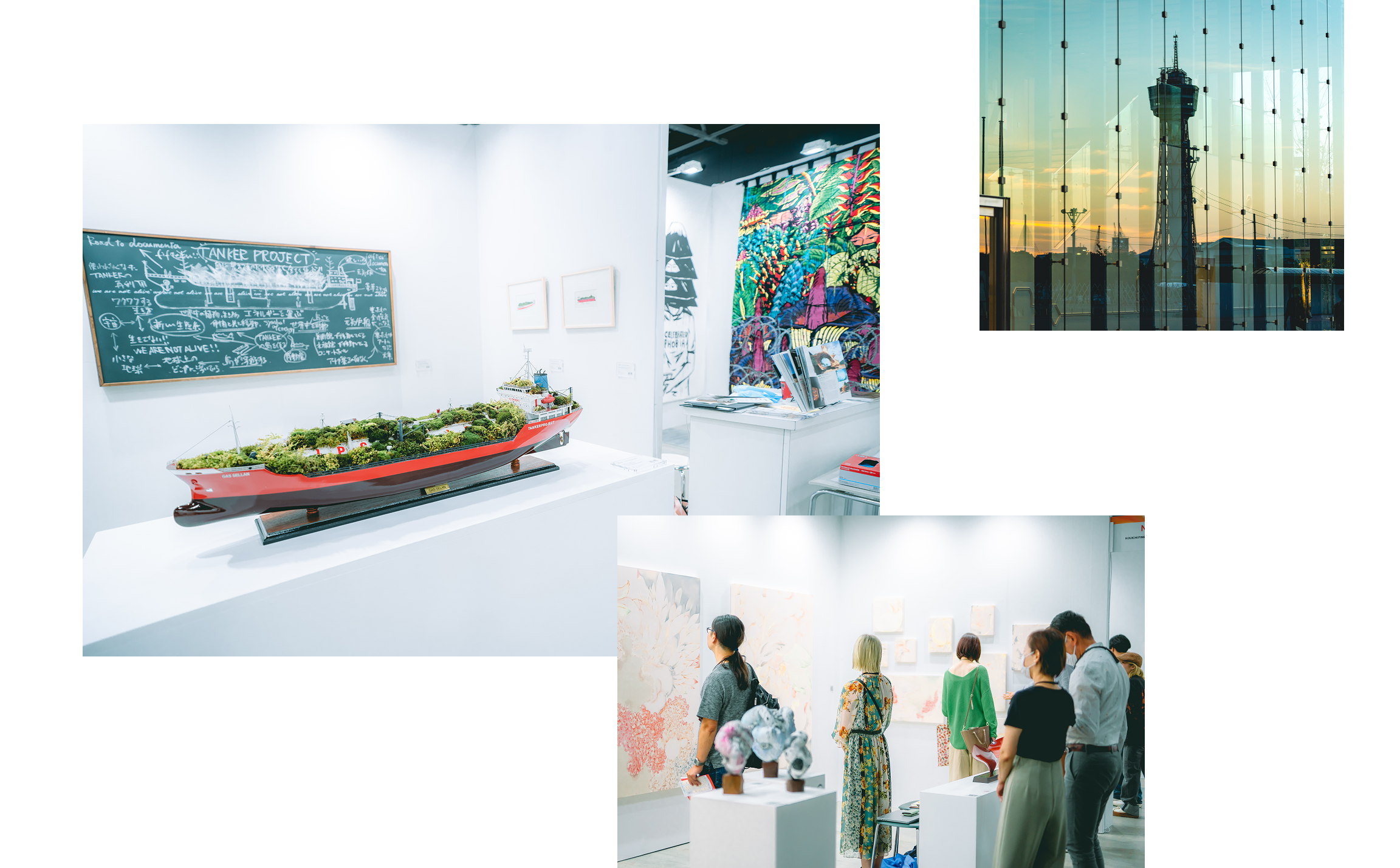
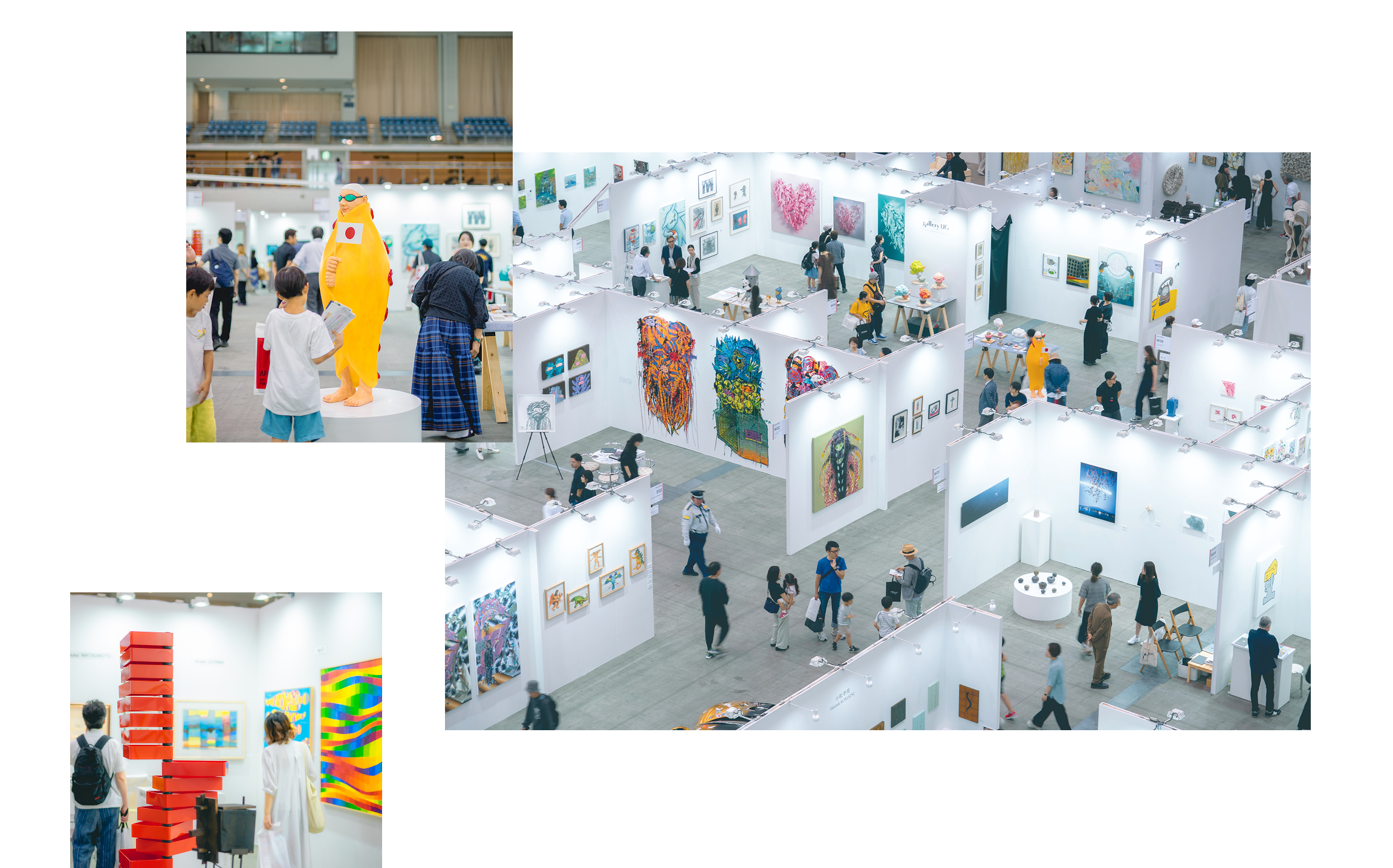
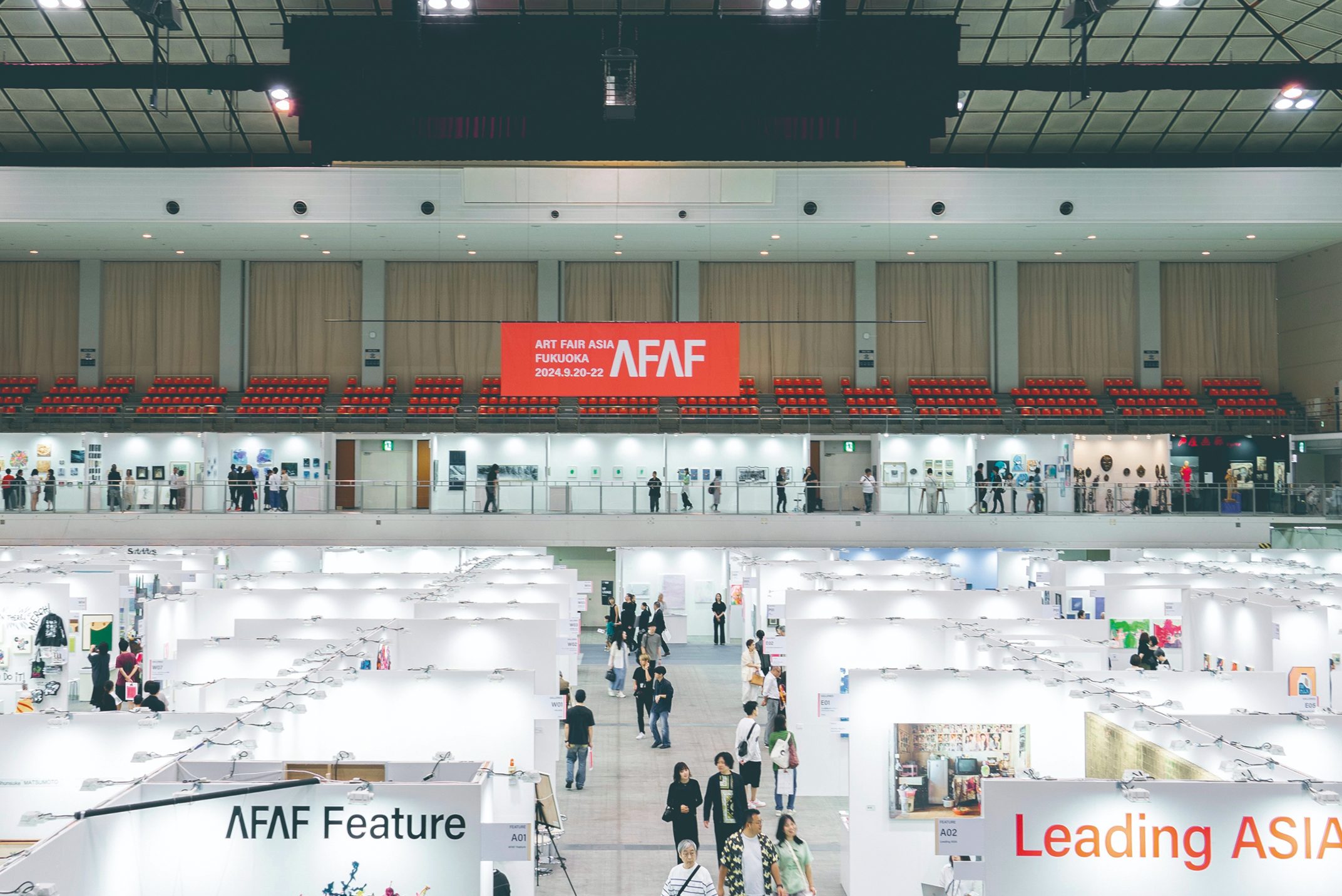
In 2024, AFAF moved to the Fukuoka International Center, further expanding its scale and enhancing its content. Taking advantage of the expansive exhibition space, galleries from Japan and abroad gathered on an even larger scale. This event signaled Fukuoka’s move even closer to the international stage.
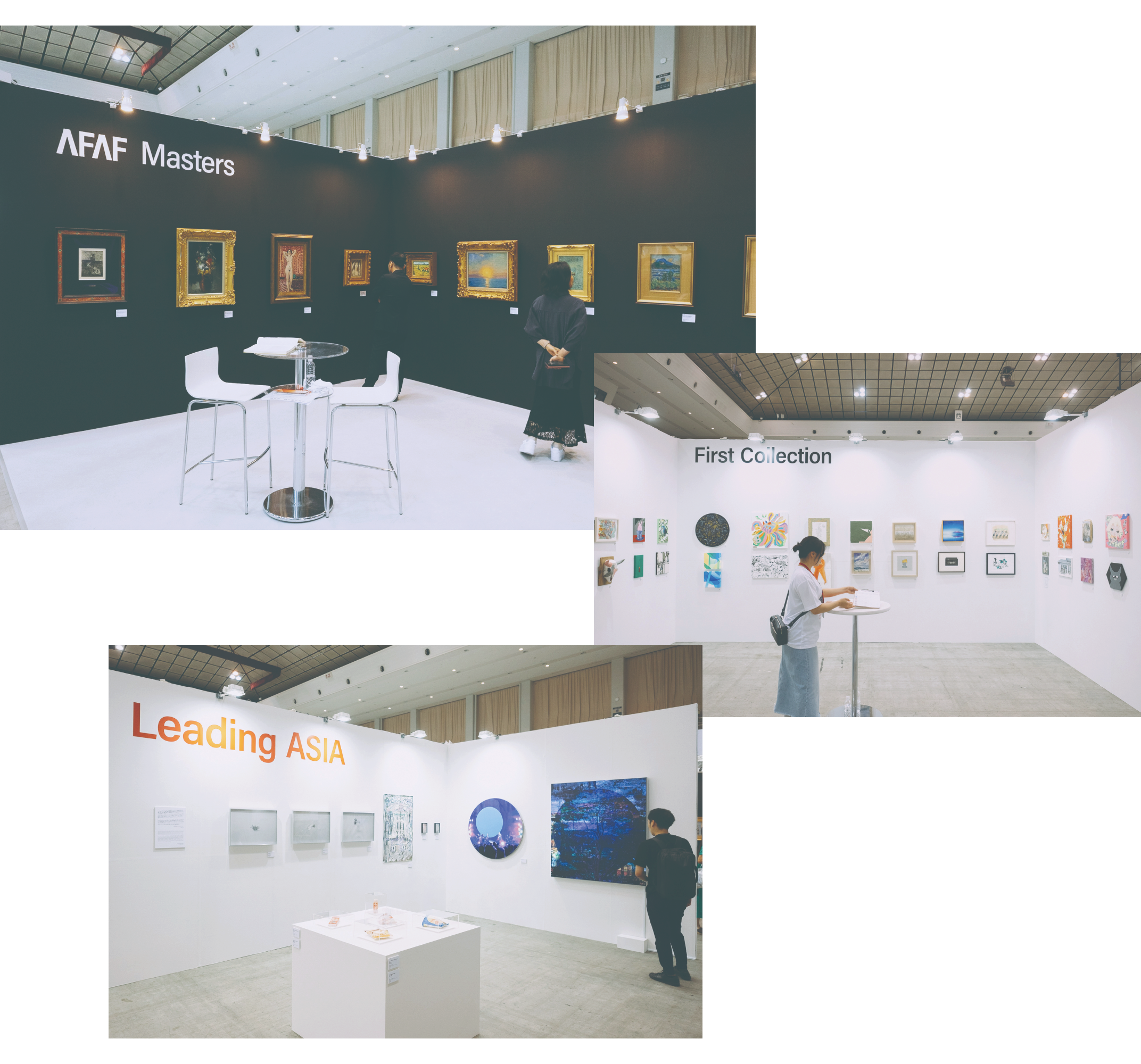
A major feature of this year’s event was the addition of new special booths. These included “Masters,” showcasing masterpieces by 20th-century masters, and “First Collection,” highlighting up-and-coming young artists. The format, which allowed visitors to experience everything from historic masterpieces to fresh expressions that will shape the future, left a lasting impression.
2024, befitting the milestone of its 10th anniversary, featured a diverse lineup that connected the past and the future. It was a year that not only enhanced the fair’s depth, but also greatly raised expectations for the next era.
2025
This fiscal year
The memorable 10th edition - AFAF 10th Edition
In 2025, Art Fair Asia Fukuoka will celebrate its 10th anniversary. Since its inception in 2015, this stage has brought together hundreds of galleries and thousands of artists, sparking countless encounters and dialogues. This challenge, launched from Fukuoka, has established a strong presence as a bridge connecting the Asian and global art scenes.
This milestone of 10 years marks a time to express gratitude to all those who have supported us along the way, and also marks a new beginning that opens the door to the future. This year, we will also be launching the “AFAF Award,” an initiative to strongly support aspiring art professionals from Fukuoka. We aim to further expand as a place where the city, people, and art intersect.
From Fukuoka to the world—powered by our past achievements, we look forward to the next 10 years and beyond. AFAF will continue to build a platform for open art exchange with hope and enthusiasm.

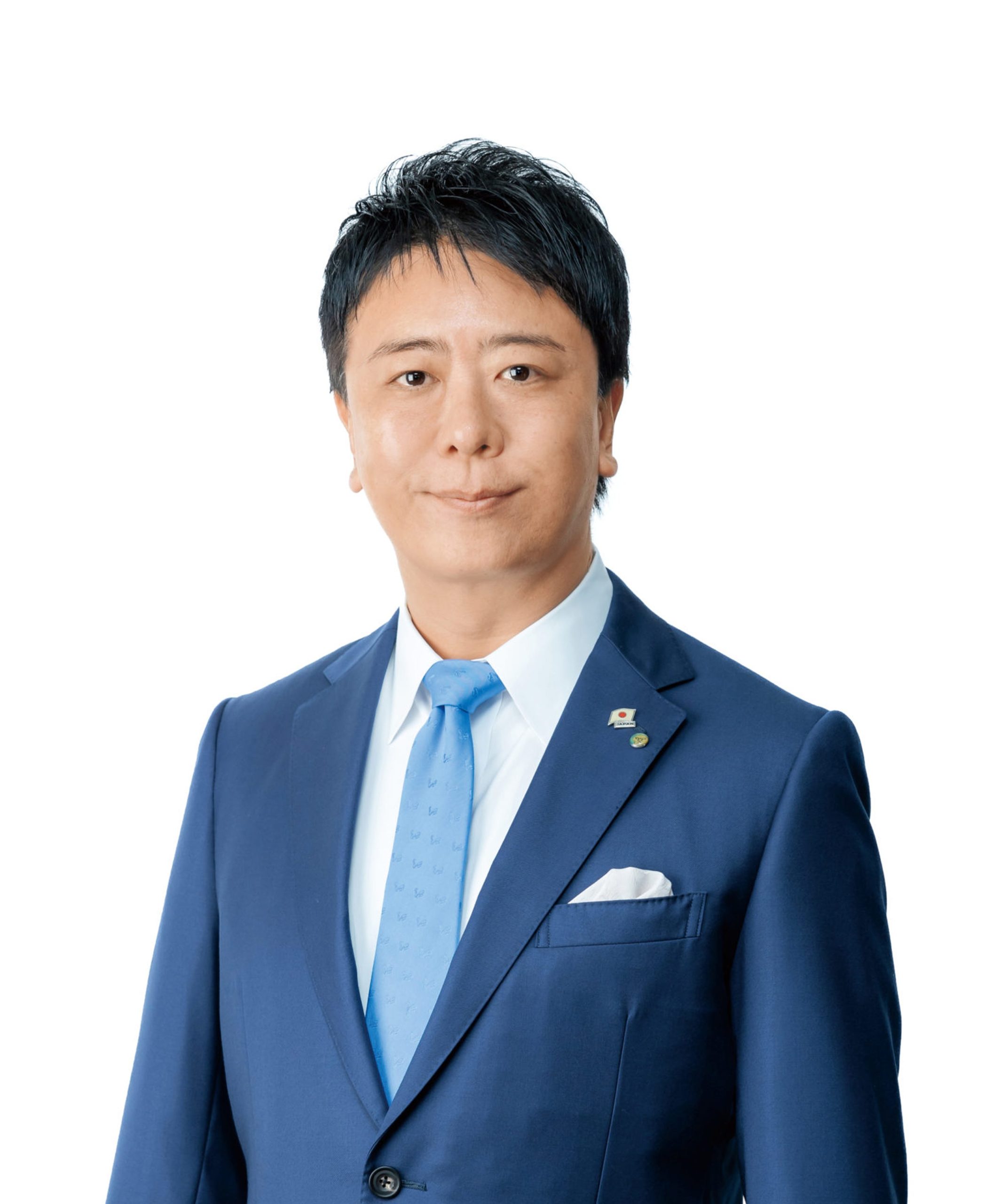
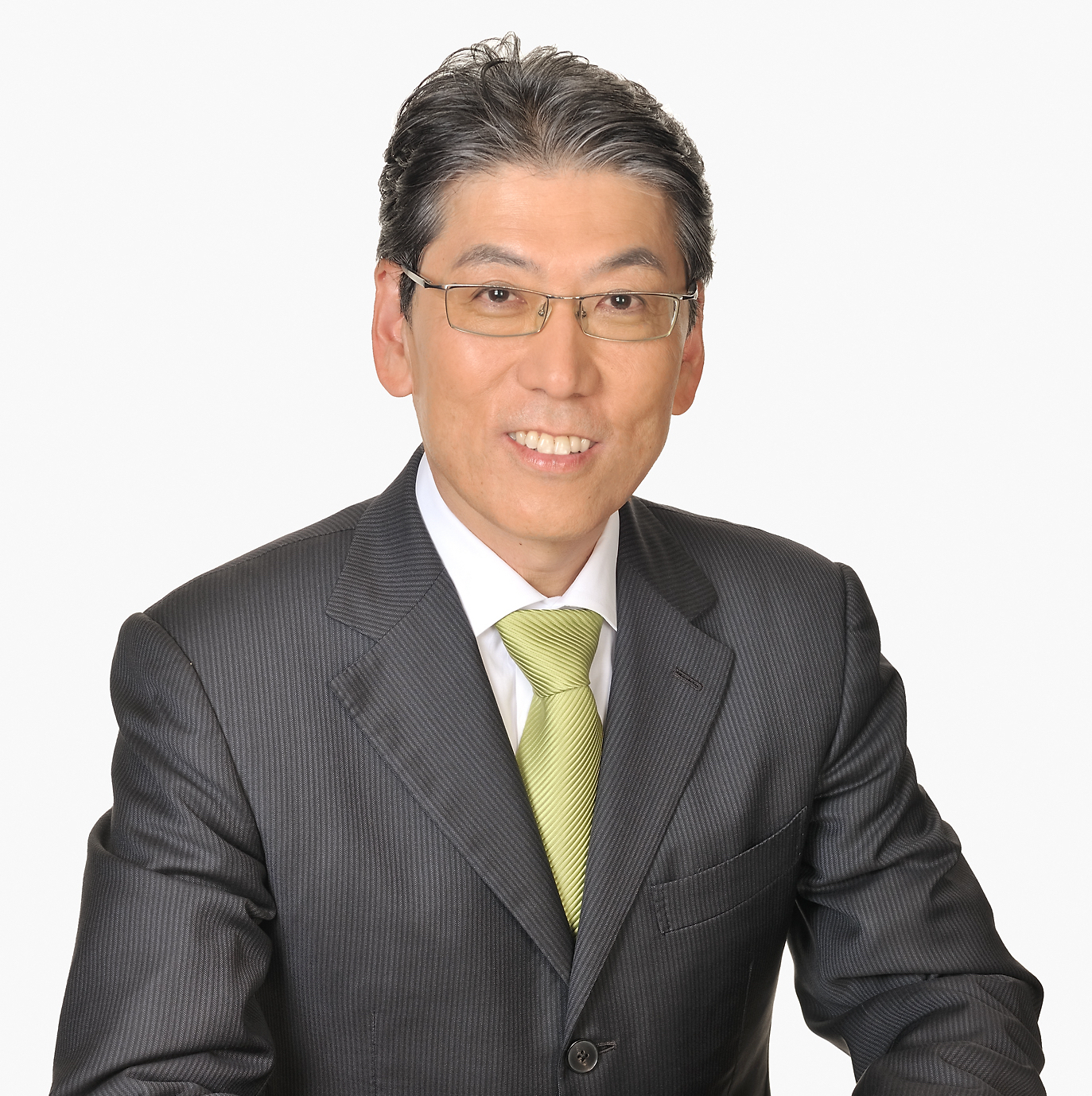
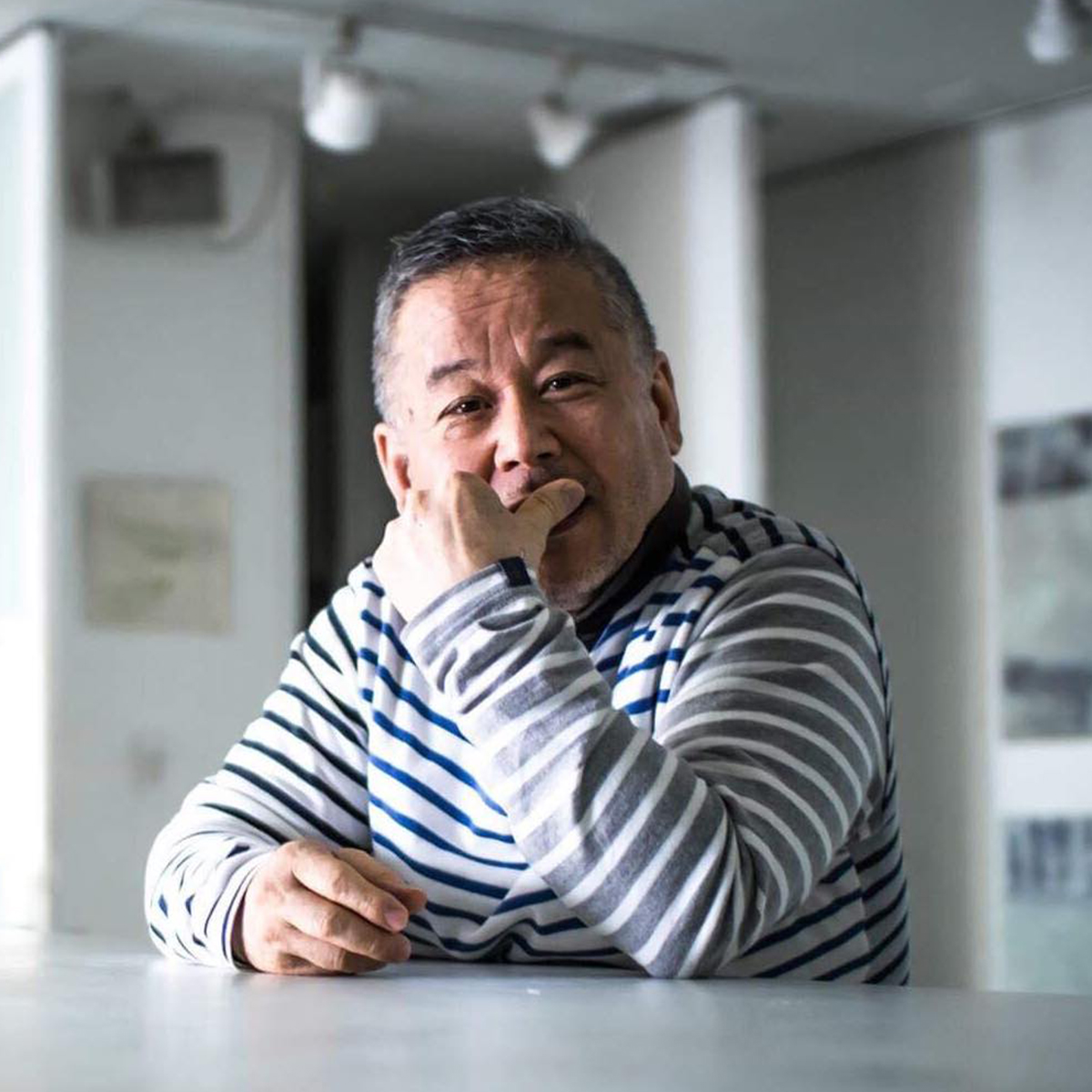

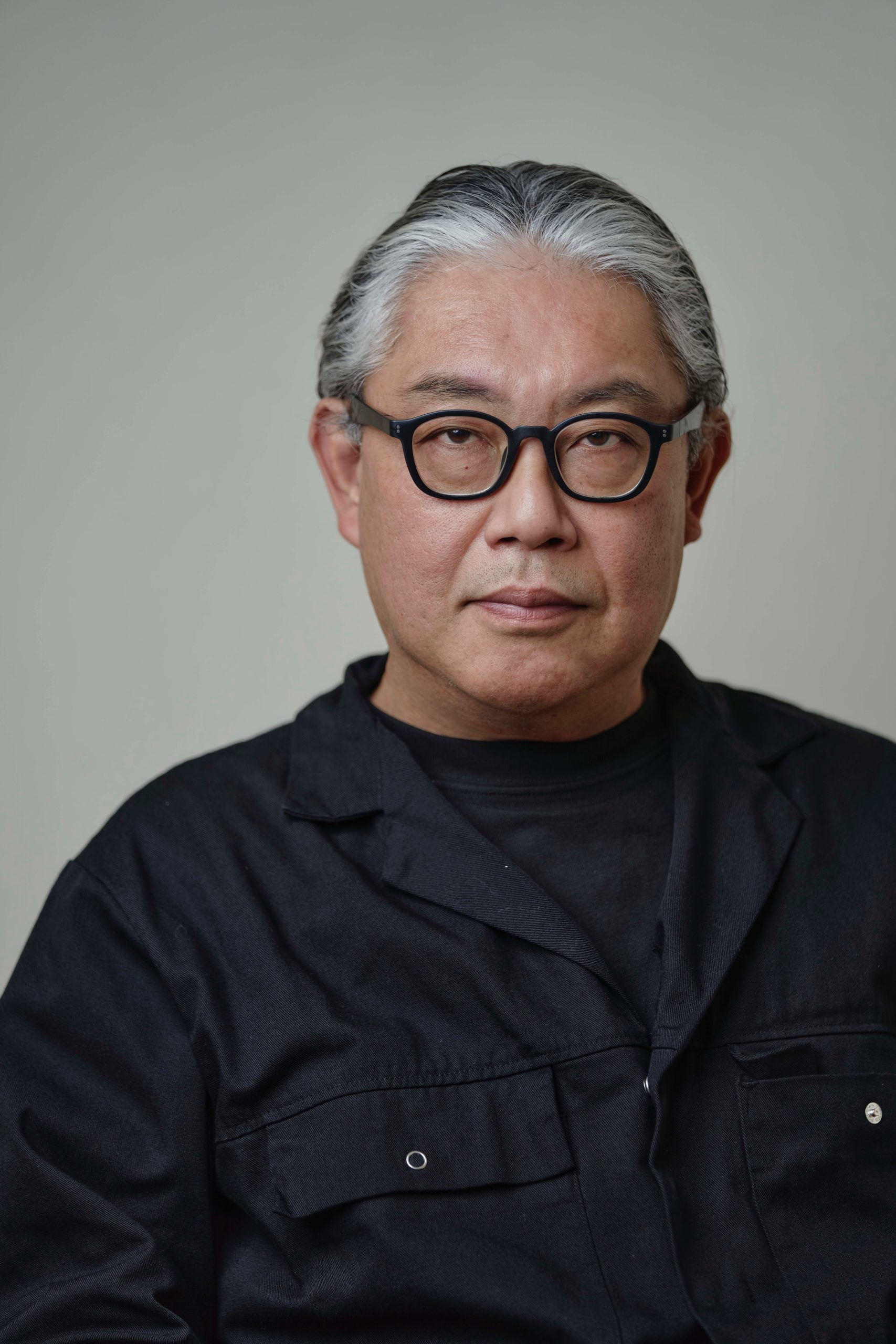
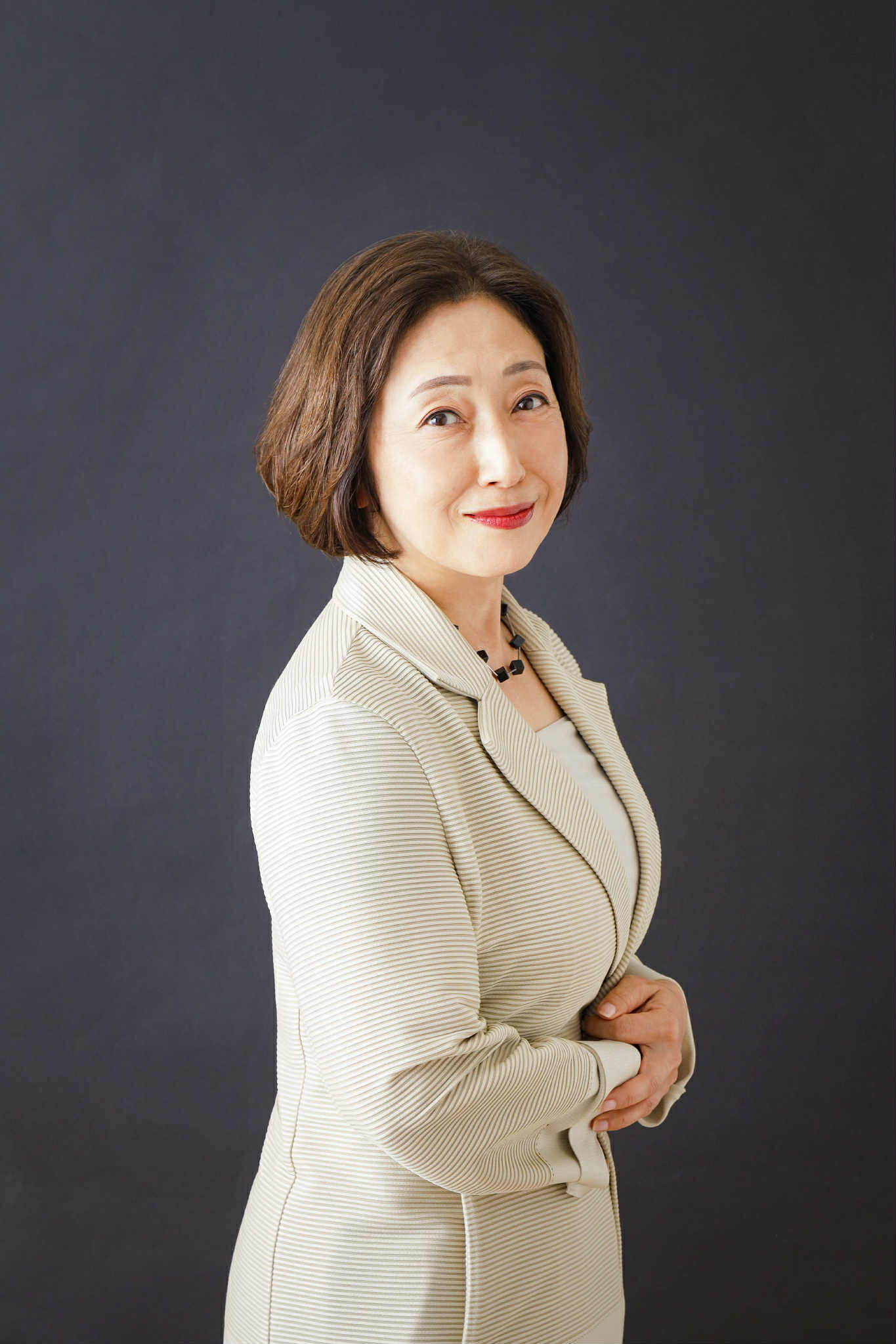
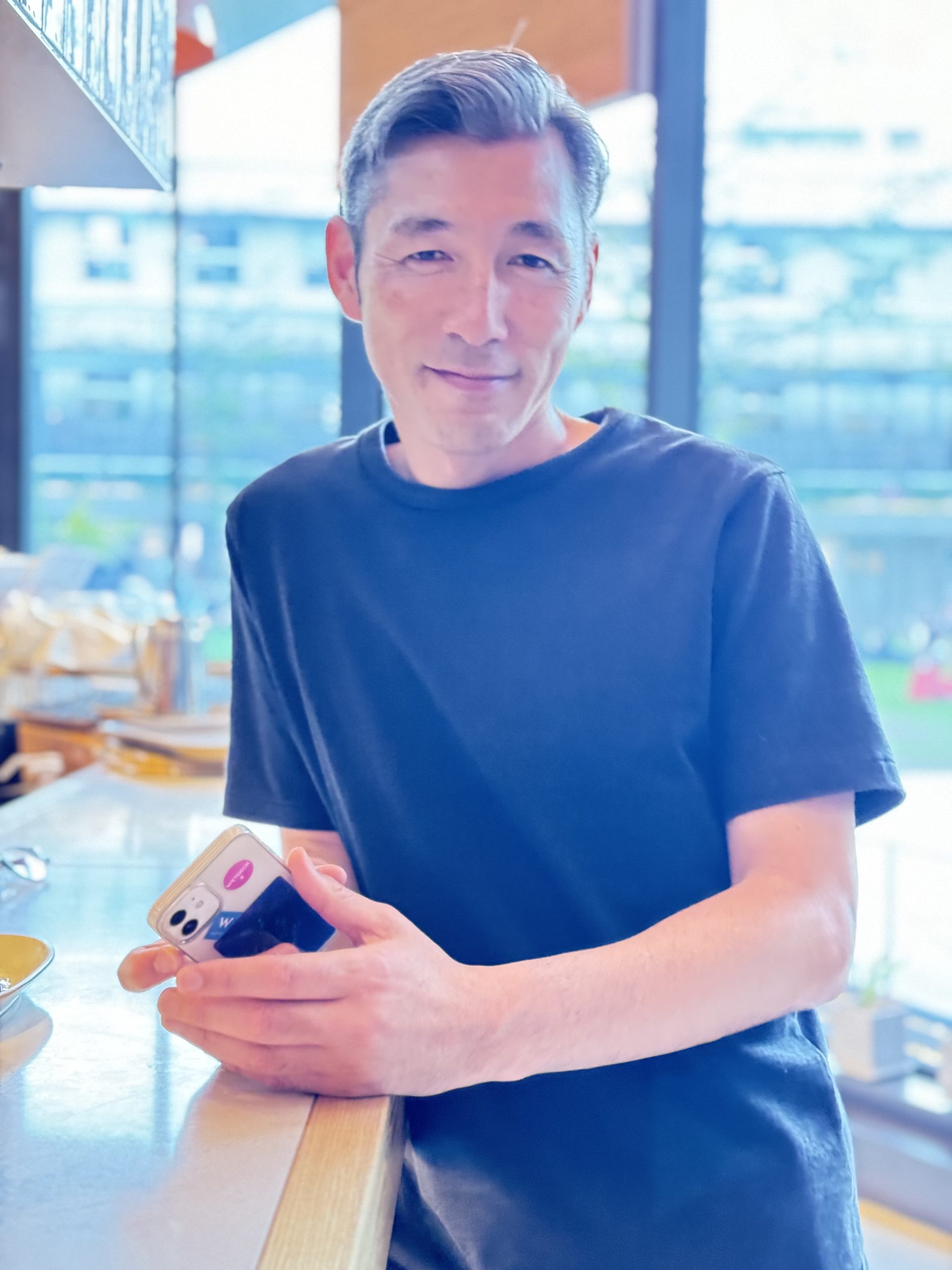
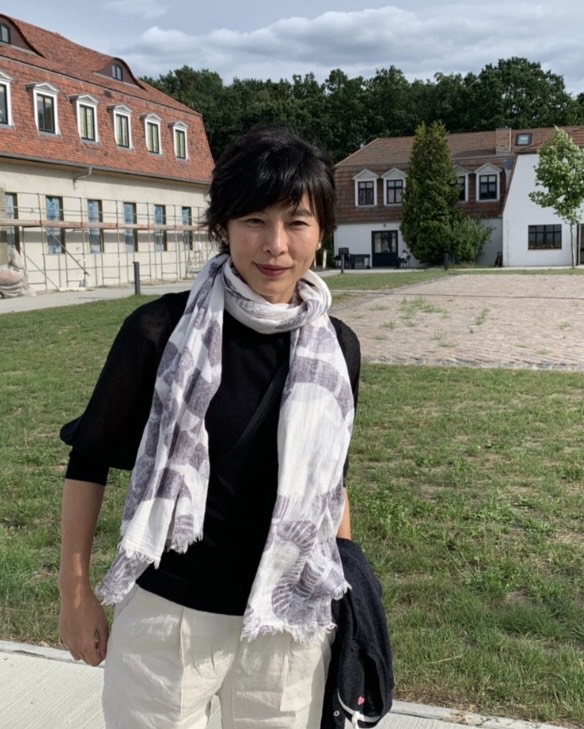
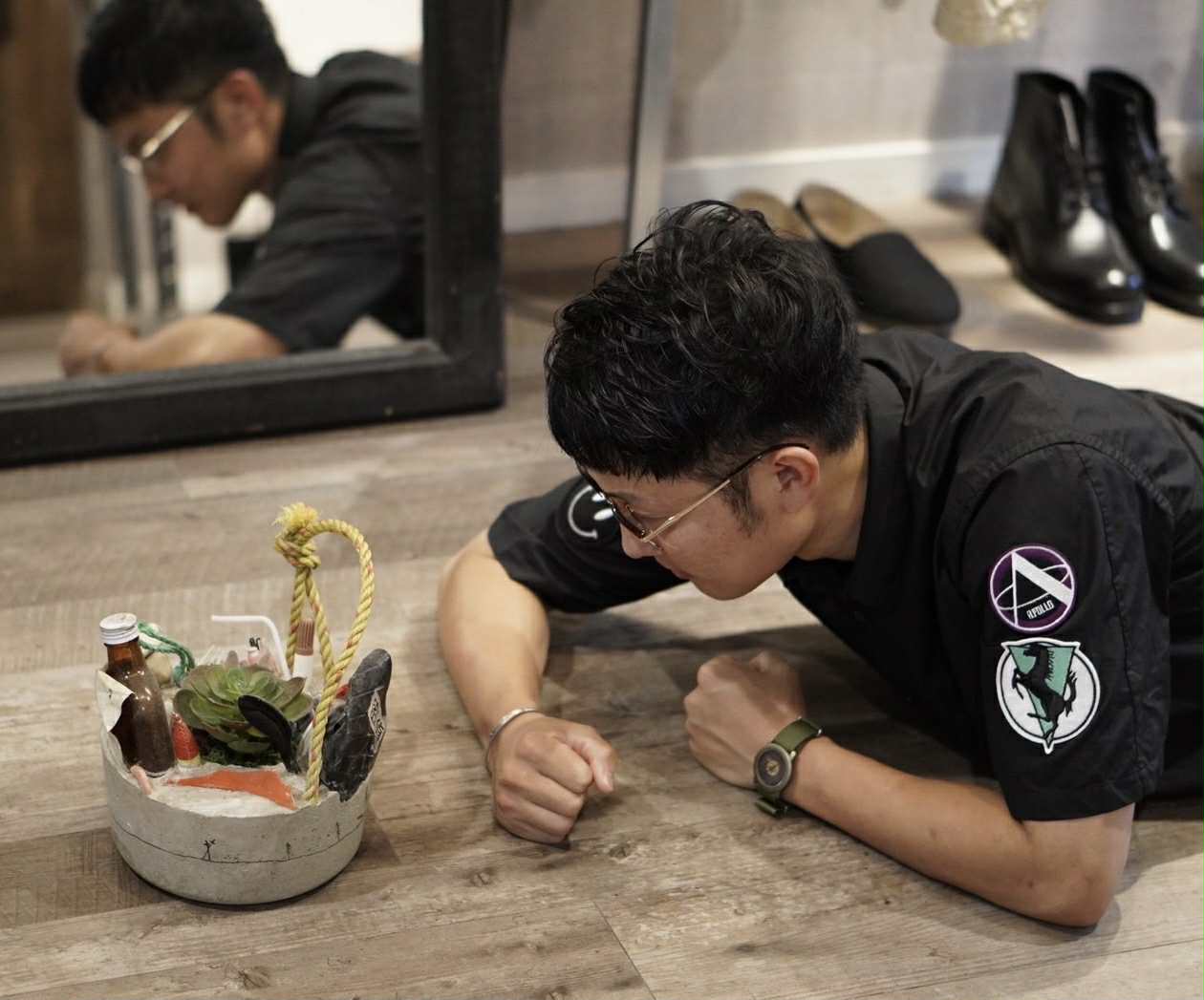


















As the Representative Director, and as someone who deeply loves both art and Fukuoka, I am truly delighted that ART FAIR ASIA FUKUOKA 2025 will mark its 10th edition. I extend my heartfelt gratitude to the galleries, artists, sponsors, partners, and visitors who have supported us along the way.
Since its founding in 2015, AFAF has continued to embrace change and take on new challenges as an “art fair connecting Asia and Japan.” Celebrating this important milestone, 2025 will be a year of true evolution. With more than 100 booths, the introduction of new platforms such as Moment and Infinity, and the long-awaited return of the open-call exhibition AFAF AWARD powered by E.SUN BANK, we aim to create an even more diverse and dynamic crossroads of art.
We believe in sharing the value of art more widely and deeply across society. From Fukuoka, we hope this fair will become a place of moving encounters—for artists, collectors, and those experiencing art for the very first time.