


Masters
At Masters, we have brought together works by renowned artists, creating an exhibition space that is reminiscent of a museum.
With the cooperation of AFAF exhibitors, we are offering a special opportunity to see all at once a selection of precious works that have been passed down through the ages, with a focus on deceased artists.
We have a wide selection of carefully selected works that can be enjoyed by everyone, from those who are not very familiar with art to experienced collectors.
In addition to the opportunity to encounter works that are highly acclaimed historically and commercially, the fact that these works can actually be purchased is another major attraction unique to art fairs.
Artists
Yoshitomo Nara
Yayoi Kusama
Bernard Buffet
Sadamasa Motonaga
Léonard Tsugouharu Foujita
Pablo Picasso
Mokuma Kikuhata
Kuniyoshi Kaneko
Andy Warhol
Seiki Kuroda
MIZUTETSUO
Toko Shinoda
Hiroshi Senju
Shiko Munakata
Taikan Yokoyama
Yoshishige Saito
Sotaro Yasui
Artworks
Purchase・Contact
Bernard Buffet
Still Life with Pears
1966
Oil
Painting
Artist Profile
Born in Paris in 1928.
In 1944, he entered the Ecole Nationale Supérieure des Beaux-Arts.
In 1948, at the age of 20, he was awarded the most prestigious prize for newcomers and critics in Paris; in 1971, at the age of 43, he was awarded the Legion of Honor.
In 1974, he became a member of the French Academy.
In 1991, a major retrospective exhibition was held at the Hermitage Museum and the Pushkin Museum of Fine Arts in Russia.
Received the title of Officier de la Legion d’Honneur in 1993.
He passed away at his home on October 4, 1999, at the age of 71.
Masters
Detail- SECTION :
- AFAF Special Booth
- BOOTH :
- A04
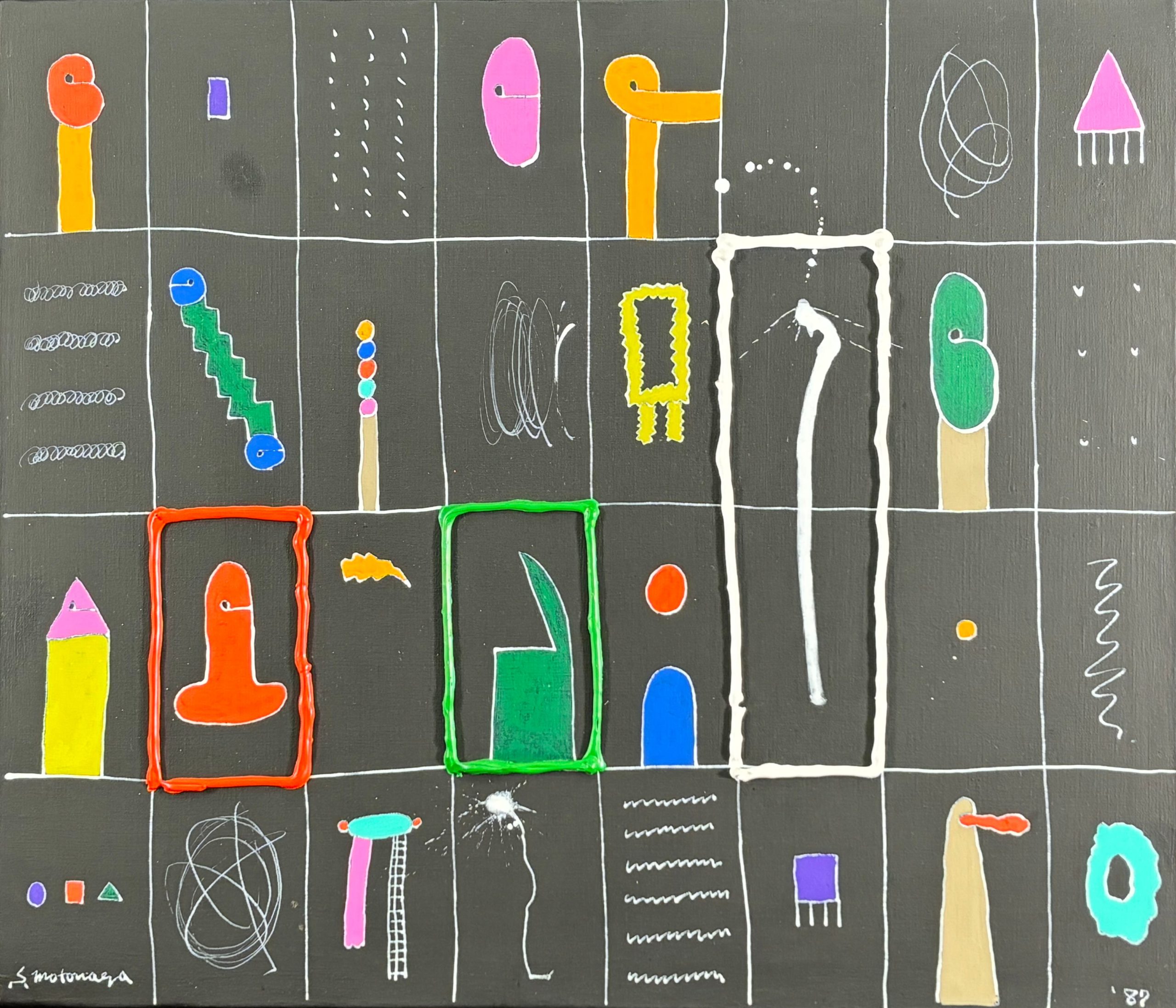
Sadamasa Motonaga
Moriagehanaganagashikakutoakairomidori
1987
Acrylic
Painting
Artist Profile
1957 Hankyu Department Store 7th floor Western Gallery (Osaka)
1961 Tokyo Gallery
1963 Matha Jackson Gallery, New York
1973 Melbourne Crossley Gallery
Planned by the Modern Print Center: Visited 75 locations nationwide
(Grand Palais, Paris) “FIAC ’ 80”
1983
2nd Japan Arts Council Award
15 Japan Arts Awards
1985 Seibu Ikebukuro
The Contemporary Gallery Tokyo
1986: The Hyogo Prefectural Cultural Award
1988: The French government awarded him the Chevalier Award for Arts and Literature.
1991: The Medal with Purple Ribbon
1991 Mie Prefectural Museum of Art
1992: The Osaka Art Award
1992 INAX Gallery (Tokyo)
1993. Takashimaya Art Gallery (Osaka/Yokohama/Gifu)
1997: The Order of the Rising Sun, Gold Rays with Rosette, Fourth Class
1999 Genei Sadamasa Stage Space Art Exhibition (Matsukata Hall)
2002: Received the Mie Prefectural Distinguished Service Award and Cultural Award.
■Main group exhibitions
1961. Experimental Exhibition of Contemporary Art (National Museum of Modern Art, Tokyo)
Exhibition of Japanese Writers (San Francisco Museum of Modern Art)
1970 World Exposition: A Dynamic Modern Art Exhibition (Museum of Fine Arts, Osaka)
1975 Special Exhibition: 4 Abstracts of Hyogo Artists
Kokuta SUDA, Kazuichi TSUTAKA, Sadamasa MOTONAGA, Kazuo SHIRAGA –
(Museum of Modern Art, Hyogo)
1980 Modern Writers 2
Exhibition of Jiro TAKAMATSU and Sadamasa MOTONAGA (National Museum of Art)
Exhibition of Sadamasa Motonaga and Kazuo Shiraga
(Museum of Modern Art, Wakayama)
■Awards
1964 Won the 6th Contemporary Japanese Art Exhibition Excellent Prize.
1966 Won the 7th Contemporary Japanese Art Exhibition, Excellent Prize.
1971. The 10 th Modern Japanese Art Exhibition?
He received Buyosho (prize for purchasing) from the National Museum of Modern Art, Kyoto.
1983: Received the 2nd Association for the Promotion of Arts Award
Received the 15 Japan Art Grand Prize
The 4th Seoul International Print Biennale?
Grand Prix winner
1986 Hyogo Prefecture Cultural Award
1988 From the French Government
He was awarded the Chevalier Medal for Arts and Culture.
1991: Received the Medal with Purple Ribbon Award.
Osaka Citizens’ Award (cultural merit)
Japanese Picture Book Awards
? u Picture Book Nippon Award received
1992: Received the Osaka Art Award.
1994: Received Takarazuka City Cultural Contribution Award
■public collection
Aichi Prefectural Museum of Art/Ashiya City Museum of Art
Iwaki City Museum of Art/Museum of Modern Art, Ibaraki
Osaka Municipal Museum of Art/Osaka Prefectural Contemporary Art Center
Ohara Museum of Art/Kitakyushu City Museum of Art
The National Museum of Modern Art, Kyoto/The Museum of Fine Arts, Gifu
Kure City Museum of Art/National Museum of Art
Museum of Modern Art, Saitama/Museum of Modern Art, Shiga
Shizuoka Prefectural Museum of Art/Takamatsu City Museum of Art
The National Museum of Modern Art, Tokyo/The Tokyo Metropolitan Art Museum
Tochigi Prefectural Museum of Art/Tokushima Prefectural Museum of Art
Nara Prefectural Museum of Art/Nagoya City Museum of Art
Niigata City Museum of Art
Nishinomiya City Otani Memorial Museum of Art/Hamamatsu City Museum of Art
Hara Museum of Art/Hiroshima City Museum of Contemporary Art
Museum of Modern Art, Hyogo/Fukuoka
Fukushima Prefectural Museum of Art/Agency for Cultural Affairs
Mie Prefectural Museum of Art/Miyagi Prefectural Museum of Art
Meguro-ku Art Museum/Yokohama City Art Museum
The Museum of Modern Art, Wakayama
Museum of Contemporary Art, Rio de Janeiro/University of Sydney Museum of Art
National Museum of Contemporary Art, Korea
Masters
Detail- SECTION :
- AFAF Special Booth
- BOOTH :
- A04

Léonard Tsugouharu Foujita
Sleeping Woman
1947
Oil on canvas
Painting
H27.2 × W34.49 cm
Artist Profile
1886 – Born in Ushigome Ward, Tokyo Prefecture (present-day Shinjuku, Tokyo)
1905 – Graduated from the affiliated middle school of Tokyo Higher Normal School; entered the Department of Western Painting, Tokyo Fine Arts School
1910 – Graduated from the undergraduate program, Department of Western Painting, Tokyo Fine Arts School
1913 – Traveled to France and settled in Montparnasse, Paris
1919 – Selected for the reestablished Salon d’Automne; recommended for membership
1925 – Awarded the Legion of Honour from France
1933 – Returned to Japan
1934 – Became a member of the Nika Association
1938 – Traveled to Okinawa; went to China as a war artist for the Second Sino-Japanese War and subsequently produced war record paintings
1949 – Invited to the United States as a professor at the Brooklyn Museum Art School, New York
1955 – Acquired French nationality
1959 – Baptized in a French cathedral and took the name Léonard
1961 – Moved to Villiers-le-Bâcle, a suburb of Paris, converting a farmhouse into his studio
Masters
Detail- SECTION :
- AFAF Special Booth
- BOOTH :
- A04

Pablo Picasso
Tête de femme
1953
Oil and ripolin on canvas
Painting
H45.9 × W37.7 cm
Artist Profile
1881 Born in Málaga, Spain
1897 Enrolled at the Royal Academy of San Fernando
1901 First solo exhibition in Paris; “Blue Period” begins
1905 “Rose Period” begins
1907 Created “Les Demoiselles d’Avignon”
1908: Founded Cubism with Braque and others
1909: Period of Analytical Cubism
1912: Began working with papier collé; also entered the Synthetic Cubism period
1920: Neoclassical period
1925 Approaches Surrealism
1937 Protests German bombing of Guernica, creates Guernica
1939 Solo exhibition at the Museum of Modern Art, New York
1964 Retrospective exhibitions in Japan and Canada
1970 Picasso Museum opens in Barcelona
1973 Dies in Mougins
Masters
Detail- SECTION :
- AFAF Special Booth
- BOOTH :
- A04
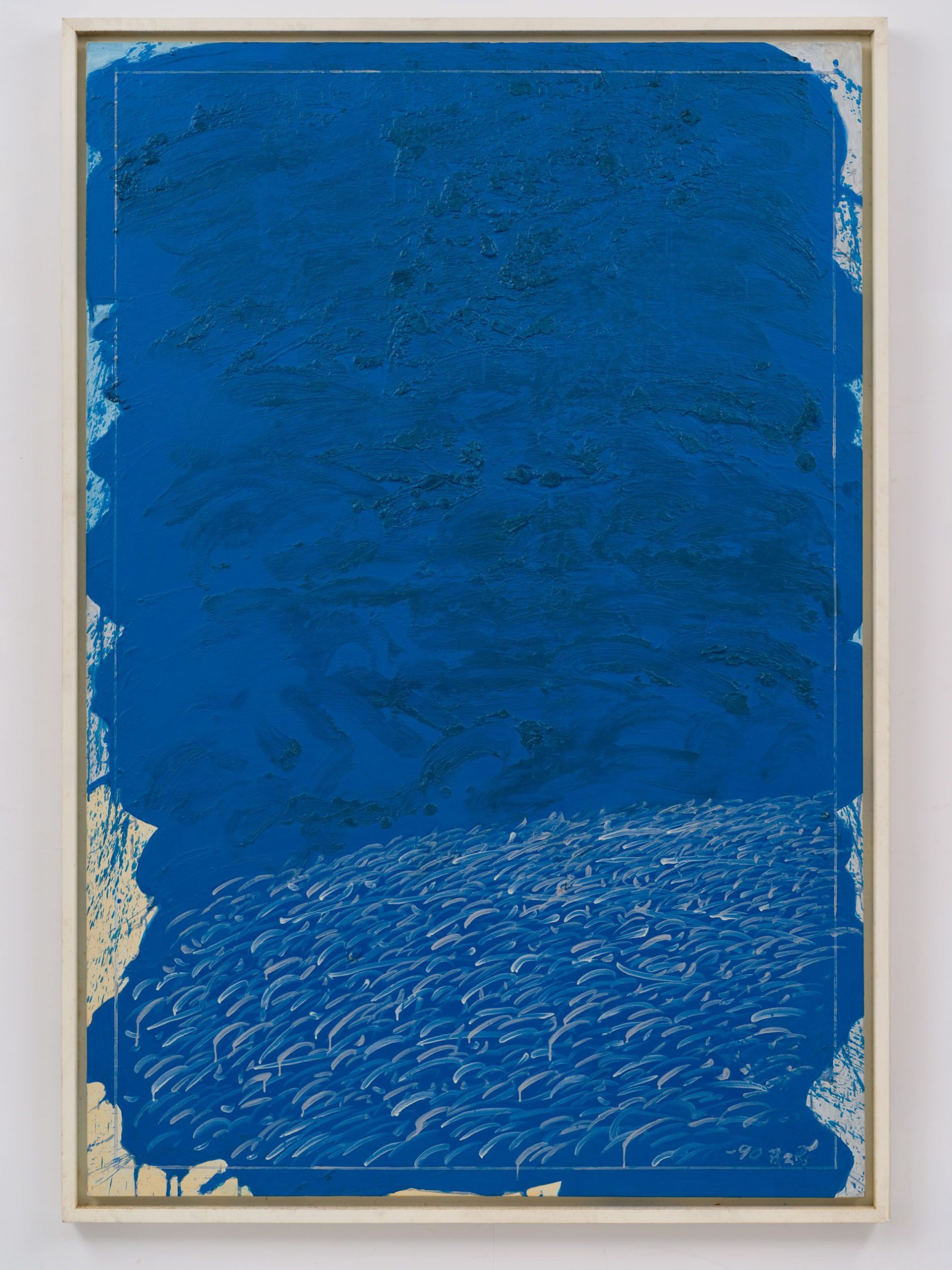
Mokuma Kikuhata
Kaido 16
1990
Oil on canvas
Painting
H194 × W130 cm
Artist Profile
Mokuma Kikuhata
1935–2020
Born in 1935 in Nagasaki.
In 1957, he joined the Kyushu-ha group, emerging as a promising painter. From 1958, he organized the Kyushu Independent Exhibition while also exhibiting at the Tokyo Yomiuri Independent Exhibition from 1957 onward.
In 1961, he was selected as one of fifteen participating artists in the Experimental Exhibition of Contemporary Art at the National Museum of Modern Art, Tokyo, and in 1962 held a solo exhibition at Minami Gallery (Tokyo). From this point, he attracted attention as a rising figure in avant-garde art.
He left the Kyushu-ha group in 1962. In 1964, he discovered the works of Chikuho coal miner painter Sakuhei Yamamoto and was profoundly influenced. At a time when Yamamoto’s works were largely unrecognized, Kikuhata wrote essays evaluating them as art. He contributed to the compilation of Yamamoto’s Chikuho Coal Mine Picture Scroll (1975), and in 1970 invited Yamamoto to Tokyo so that his students at the Bigaku School could copy his works. Through these efforts, Kikuhata played a pivotal role in establishing Yamamoto’s recognition as an artist and eventually contributed to his works being inscribed in the UNESCO Memory of the World Register.
Based in Fukuoka, Kikuhata also created numerous ceramic panel murals in public spaces.
Masters
Detail- SECTION :
- AFAF Special Booth
- BOOTH :
- A04
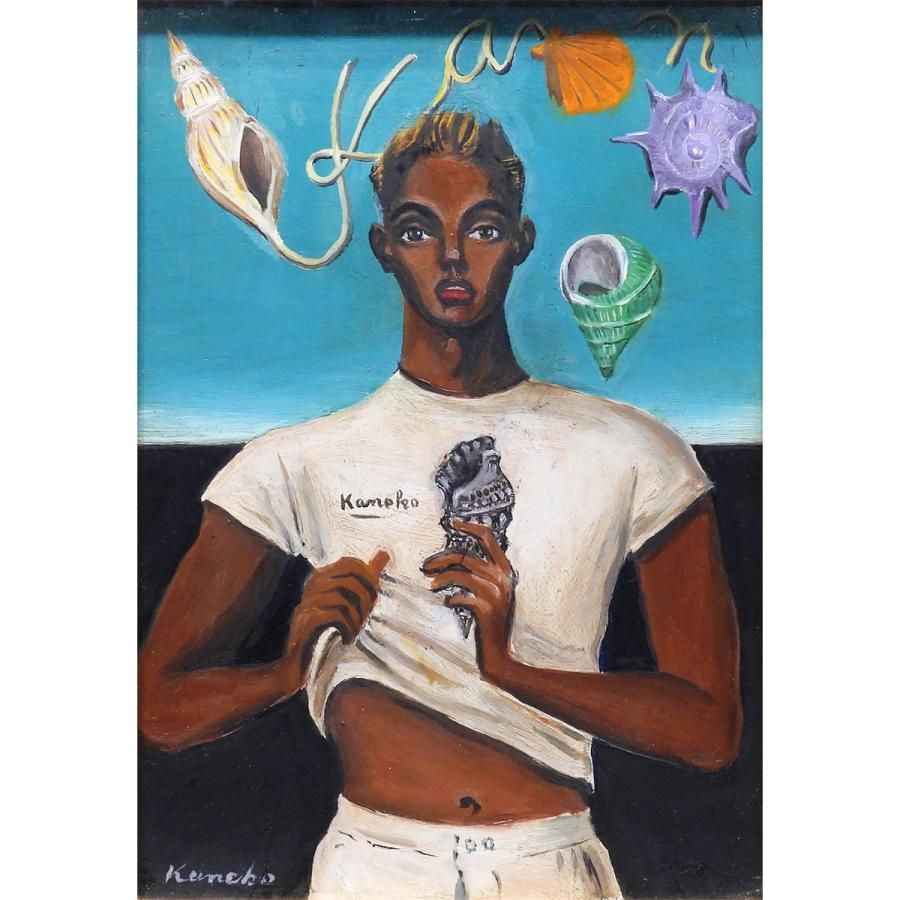
Kuniyoshi Kaneko
Back side 2
2000
Oil on canvas
Painting
H22.7 × W15.8 cm
Artist Profile
1936 Born in Warabi City, Saitama Prefecture
1955 Entered Nihon University College of Art; studied under Kabuki stage designer Motohiro Nagasaka
1964 Began painting in oil as a self-taught artist
2015 Passed away
【 SOLO Exhibition 】
1957 Selected in the Stage Design Division of the Shunyōkai Exhibition
1974 Picture book Alice’s Adventures in Wonderland published by Olivetti (Italy)
1978 Print portfolio Alice’s Dream published by Kadokawa Shoten
1979 Art book Alice’s Gallery published by Bijutsu Shuppansha
1980 Responsible for composition, direction, and stage design of the ballet Alice’s Dream
1983 Print portfolio Orpheus published by Bijutsu Shuppansha
1984 Art book Theater of Eros published by Kodansha
1994 Print portfolio Alice’s Adventures in Wonderland, print portfolio Through the Looking-Glass, and photo book Vamp published by Shinchosha
1997 Exhibition The Triumph of Painting
2005 Stage design for the name succession announcement (shūmei kōjō) of Nakamura Kanzaburō XVIII at Kabuki-za and Osaka Shōchiku-za
2006 Created the original jacket artwork for HYDE’s album FAITH
Masters
Detail- SECTION :
- AFAF Special Booth
- BOOTH :
- A04
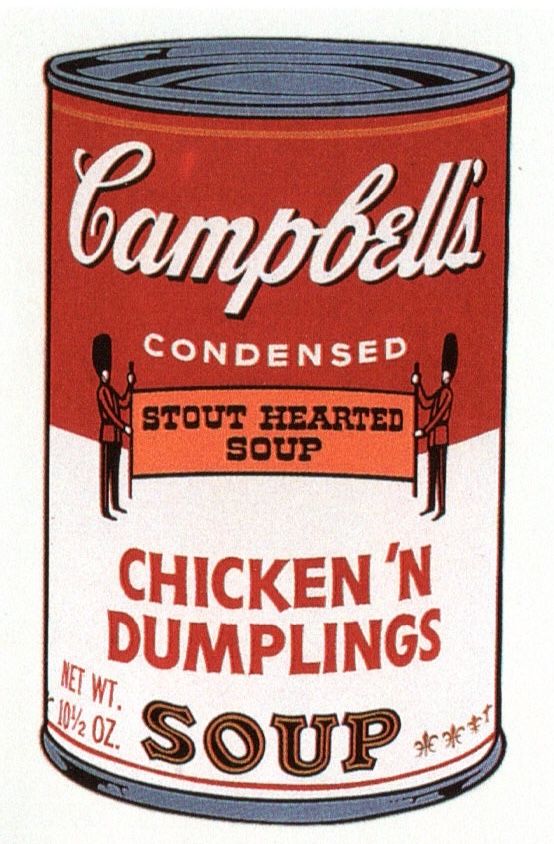
Andy Warhol
Chicken 'n Dumplings, from Campbell's Soup II
1969
Screenprint ed.250
Prints
H88.9 × W58.4 cm
Artist Profile
Andy Warhol started his career as a commercial designer in New York in the mid-50s.
In early 60s he encountered a silkscreen method and made art on mass production. Eventually he created immense numbers of paintings, prints, and motion pictures. “The reason I’m painting this way is that I want to be a machine, and I feel that whatever I do and do machine-like is what I want to do.” He left a bunch of famous quotes like this and was called a pop art bearer. Warhol had a great impact on the posterity of the art world.
Masters
Detail- SECTION :
- AFAF Special Booth
- BOOTH :
- A04

Seiki Kuroda
Spring
1904
Oil on board
Painting
H34.6 × W25.7 cm
Artist Profile
Born in Kagoshima Prefecture as the son of a samurai of the Satsuma Domain. In 1884 (Meiji 17), he went to France to study law but changed course midway to pursue painting, studying under the Impressionist Raphaël Collin. After returning to Japan, he painted female figures and landscapes using bright, plein air techniques. He also established the art school Tenshin Dojo and founded the Hakuba-kai in 1896. In 1898, he became a professor at the Tokyo School of Fine Arts (now Tokyo University of the Arts). He is known as the “Father of Modern Western Painting in Japan,” having brought significant change to the Japanese art world not only as a Western-style painter himself but also through his efforts to promote Western painting and establish academic standards.
Masters
Detail- SECTION :
- AFAF Special Booth
- BOOTH :
- A04
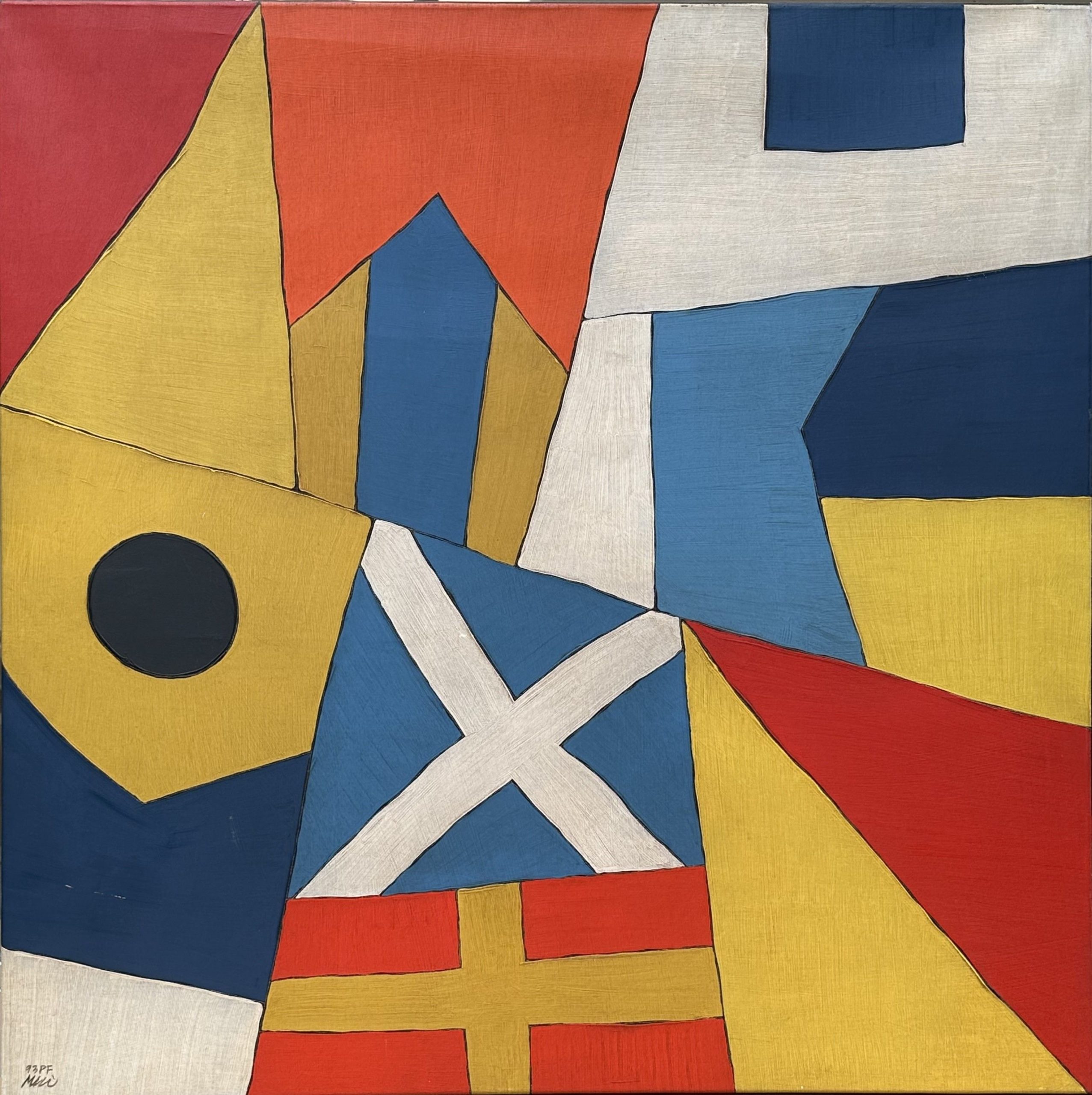
MIZUTETSUO
LES AMANTS
1993
Oil on canvas
Painting
H80 × W80 cm
Artist Profile
The early paintings of Tetsuo Mizu were monotone. From the 1980s to the 1990s, while he was living in Italy, France, and Spain for a long time, he created stained-glass works and installed them at the Church of St.Anna in Lavinio, Rome. And he held a solo exhibition at the Christian Dior Salon and at the Maritime Museum of Chaillyau in Paris during then. In addition, he was invited to competitions in various places in Europe, and has been highly acclaimed for his success in the European art scene. The “Flag Series” paintings which combine the international signal flags used in ships, and make them meaningful, were well-known worldwide and are still very popular today.
【 SOLO Exhibition 】
1944 born in Tokyo, Japan
1967 encountered the works of Modigliani and decided Modigliani as his lifelong master
1971 started drawing and studying at Musashino Art Academy.
1975 accepted for the Exhibition of the Free Art Association and became a member
1983 prized the award of the Free Art Contest
*started to work and stay in Italy three times in a year since 1983
1986 visited the Picasso’ room in Kunstmuseum Basel, Switzerland and re-confirmed painting itself
1987 was invited to the First Representational Art Concours in Anzio near Rome
created stained-glass works and installed them at the Church of St. Anna in Lavinio, Rome
1989 stayed in Palma, Majorca, Spain
1992 started to stay in Paris (till 1996)
1993 created works at the church in Saint-Jean-d’Angély in Paris, France
1995 started to illustrate the cover picture of monthly magazine “SYOSETSU SUBARU” (by Shueisha)
1996 created and installed the front porcelain panel painting at the entrance-hall of
Nagano Olympic Ice Rink
1997 started to stay in Beaune, France
2000 started to stay in Istanbul, Turkey
had more solo exhibitions in Tokyo, Shizuoka, Nagoya, Osaka, Hiroshima, Fukuoka,
Basel (Switzerland), The Hague (Netherlands), Anzio (Italy) and many other places.
Masters
Detail- SECTION :
- AFAF Special Booth
- BOOTH :
- A04

Toko Shinoda
Time
1958
Sumi on Japanese paper
Painting
H47 × W44 cm
Artist Profile
Toko Shinoda (b.1913) has been brushing her trailblazing works for over 75 years. Born at a time when higher education for women was not a common practice, she studied calligraphy with her father and then delved into the study of Chinese and Japanese literary texts. Frequently, lines of classical and contemporary poetry make their way into her spare, abstract work. The Tolman Collection of Tokyo has represented this pioneering artist for decades, during which time her work has been acquired by museums around the globe.
Masters
Detail- SECTION :
- AFAF Special Booth
- BOOTH :
- A04
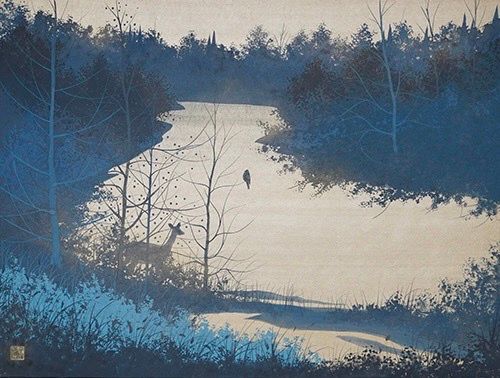
Hiroshi Senju
Waterways
Rock pigment, Gold paint on Japanese paper
Painting
H45.5 × W60.6 cm
Artist Profile
Born in Japan, Hiroshi Senju is a New York–based painter internationally renowned for his monumental depictions of waterfalls and cliffs of sublime scale. His works combine a minimalist expression rooted in Abstract Expressionism with traditional Japanese painting techniques.
He is a member of the Japan Art Academy. From 2007 to 2013, he served as President of Kyoto University of Art and Design (now Kyoto University of the Arts), where he is currently a Professor. He also serves as Ambassador of the Tokyo National Museum, Councilor of the Ikenobo Foundation for Cultural and Artistic Promotion, Advisor to Ritsumeikan Educational Corporation, Director of the Koyo-do Museum of Art, Committee Member of the Van Cleef & Arpels School of Jewelry Arts (L’ÉCOLE), and Advisor to the Tokugawa Art Museum, among other roles.
Biography
1958 Born in Tokyo
1982 Graduated from the Department of Nihonga, Faculty of Fine Arts, Tokyo University of the Arts
1984 Completed Master’s Program, Graduate School of Fine Arts, Tokyo University of the Arts; graduation work acquired by the University
1987 Completed coursework for Doctoral Program without dissertation; research work acquired by the University of Tokyo; exhibited in The 100th Anniversary of Tokyo University of the Arts (Takashimaya Nihombashi)
1989 Solo exhibition The End of Dream (Manly Art Gallery & Museum, Sydney, Australia)
1990 The Development of Modern Nihonga through the Collection (The Museum of Modern Art, Kamakura)
1993 Featured on the cover of Gallery Guide (New York); Solo exhibition Flatwater (Maxwell Davidson Gallery, New York)
1994 Solo exhibition Hiroshi Senju 1980–1994 (Takemura Museum of Art, Yamanakako); awarded 4th Kenbuchi Picture Book Grand Prize for Hoshi no Furu Yoru ni; Excellence Prize, 7th MOA Museum of Art Mokichi Okada Award (Painting Division)
1995 Solo exhibition Hiroshi Senju (Taipei Fine Arts Museum, Taiwan); Honorary Award, 46th Venice Biennale (Italy) — the first Asian artist in painting to receive the honor
1996 Solo exhibition Hiroshi Senju: Waterfalls & Glasses (Hakone Open-Air Museum)
1998 Awarded Medal with Dark Blue Ribbon for the work August Sky and Clouds (Hiroshima City Museum of Contemporary Art collection)
2000 100 Years of Nihonga (The University Art Museum, Tokyo University of the Arts); awarded Rinmei Kawabata Prize for Life at Gazing at the World: A Century of Painting East and West exhibition
2002 New Way of Tea (Japan Society & Asia Society, New York, USA); Grand Prize, 13th MOA Museum of Art Mokichi Okada Award (Painting Division); The Fragrance of Ink (National Museum of Modern and Contemporary Art, Seoul, Korea)
2003 Fusuma Paintings for Jukō-in, Daitoku-ji (Tokyo National Museum); The Present of Painting (The Niigata Bandaijima Art Museum); Highlights of Contemporary Nihonga (Contemporary Art Museum, Kumamoto); The Adventurers of Nihonga (Okazaki Mindscape Museum); mural Waterfall at Grand Hyatt Tokyo
2004 Donated fusuma paintings to Itō Annex of Jukō-in, Daitoku-ji; served as Art Director for Haneda Airport Terminal 2
2005 Lexus L-Finesse at Milan Salone (Italy); Solo exhibition All 77 Fusuma Paintings of Jukō-in Annex (Fukuoka Asian Art Museum)
2006 6th Gwangju Biennale (Korea); designed dials for Jaeger-LeCoultre Reverso 75th Anniversary model; Naoshima Standard 2 (Benesse Art Site Naoshima); Solo exhibition Hiroshi Senju (Yamatane Museum of Art)
2007 Highlights from the Yamatane Museum Collection (Toyama Prefectural Museum of Modern Art); completed fusuma paintings for Shofuso (Pennsylvania, USA); One Hundred Pillars: Form is Emptiness – Hiroshi Senju (Matsumoto City Museum of Art); Solo exhibition Haruka Naru Aoi Hikari (Sundaram Tagore Gallery, New York)
2008 Liquid Crystal Painting (touring Mie Prefectural Art Museum, National Museum of Art Osaka, Tokyo Photographic Art Museum); ceramic wall murals Trees in Four Seasons (Akasaka Biz Tower) and Waterfall (Tokyo Metro Fukutoshin Line, Shinjuku-sanchome Station)
2009 Isobashi Project – Garden of Sky (Benesse Art Site Naoshima, Kagawa); Solo exhibitions New Light from Afar (Los Angeles) and Out of Nature (Hong Kong, Sundaram Tagore Gallery)
2010 Invitation to 20th-Century Art (Gifu Prefectural Museum of Art); Masterpieces of Saku City Museum of Modern Art (Takasaki Tower Museum); Hiroshi Senju: The World of Blue – Resonance with Kaii Higashiyama (Kagawa Prefectural Higashiyama Kaii Setouchi Art Museum); Setouchi International Art Festival; Art Director for APEC JAPAN 2010 venue; Art Director for Haneda Airport’s new International Terminal and expanded Terminal 2
2011 Art Director for JR Hakata Station; opened Hiroshi Senju Museum Karuizawa; Water, Fire, Earth: In Search of the Source of Creation (Contemporary Art Museum, Kumamoto); 5th Chengdu Biennale (China); Vision of Nature, Lost and Found, in Asian Contemporary Art (Hong Kong Art Center); supervised Gucci’s 90th anniversary archive exhibition Gift of Time at Kinkaku-ji
2012 Solo exhibition CLIFFS (New York); completed ceramic mural at OUB Center (Singapore); stage design for Nihon Buyo × Orchestra – A Dialogue of Tradition (Tokyo Bunka Kaikan)
2013 Donated fusuma paintings to Jukō-in, Daitoku-ji; stage design for opera KAMIKAZE (Tokyo Bunka Kaikan); completed wall paintings at Ekō-in; Art Director for Daitoku University Sazae-dō; supervised KITTE opening art project Omoi Zakura; Solo exhibitions Day Falls / Night Falls (Hong Kong) and The Tale of Genji through the Eyes of Hiroshi Senju (Sagawa Art Museum); Setouchi Triennale; stage design for Prelude (starring Jusuke Hanayagi & Tamasaburo Bando, Tokyo Bunka Kaikan)
2014 Stage design for opera Yuzuru (The Twilight Crane)
2015 Solo exhibition Day Falls / Night Falls (Singapore); mural for JR Onagawa Station (designed by Shigeru Ban); participated in the 56th Venice Biennale Frontiers Reimagined (Italy); completed Southern Branch project of the National Palace Museum (Taiwan)
2016 Public exhibition of fusuma paintings donated to Jukō-in alongside Eitoku Kano’s National Treasure fusuma paintings; Illusion of Water and Light (Yakushiji Temple, Nara); Colors Beyond Time and Space (Yakushiji Temple, Nara); awarded Foreign Minister’s Commendation
2017 Solo exhibition At World’s End (New York); awarded 4th Isamu Noguchi Award
2018 Awarded Distinguished Arts Award (Japan America Society of Greater Philadelphia); released Octo Finissimo Hiroshi Senju with Bulgari; Commemorative Exhibition of Fusuma Paintings for Kongōbu-ji, Mt. Kōya (touring Japan); collaboration exhibition with teamLab Water (Dojima River Forum, Osaka); awarded Japan–U.S. Special Achievement Award (New York Chamber of Commerce and Industry)
2019 Hiroshi Senju: 40 Years of Painting – Sublimity and Grace of 21st-Century Nihonga (Mitsukoshi Nihombashi Main Store); touring exhibition Commemorative Exhibition of Fusuma Paintings for Kongōbu-ji, Mt. Kōya (various venues)
2020 Solo exhibition Beginnings (New York); dedicated fusuma paintings to Kongōbu-ji, Mt. Kōya
2021 Awarded the Imperial Prize and Japan Art Academy Prize for Waterfall (Kongōbu-ji fusuma paintings); selected as Heisei no Hōgyoku (Gem of the Heisei Era) and dedicated to Yakushiji; received Medal with Dark Blue Ribbon with Wooden Cup; donated three Waterfall paintings to Izumo Taisha; Solo exhibitions Senju’s Waterfall for Chicago (Art Institute of Chicago) and Hiroshi Senju SPECTRUM (New York)
2022 Appointed Member of the Japan Art Academy; awarded 4th Japan–U.S. Kaneko Kentaro Award (Special Prize)
2023 Solo exhibition There is Still a Light (London); Solo exhibition 350th Anniversary of Mitsukoshi: Hiroshi Senju – Tradition and Innovation (Mitsukoshi Nihombashi, Tokyo)
2024 Solo exhibition Between Movement and Stillness (Singapore); 60th Anniversary Special Exhibition of TOBI (Tokyo Art Club)
Masters
Detail- SECTION :
- AFAF Special Booth
- BOOTH :
- A04
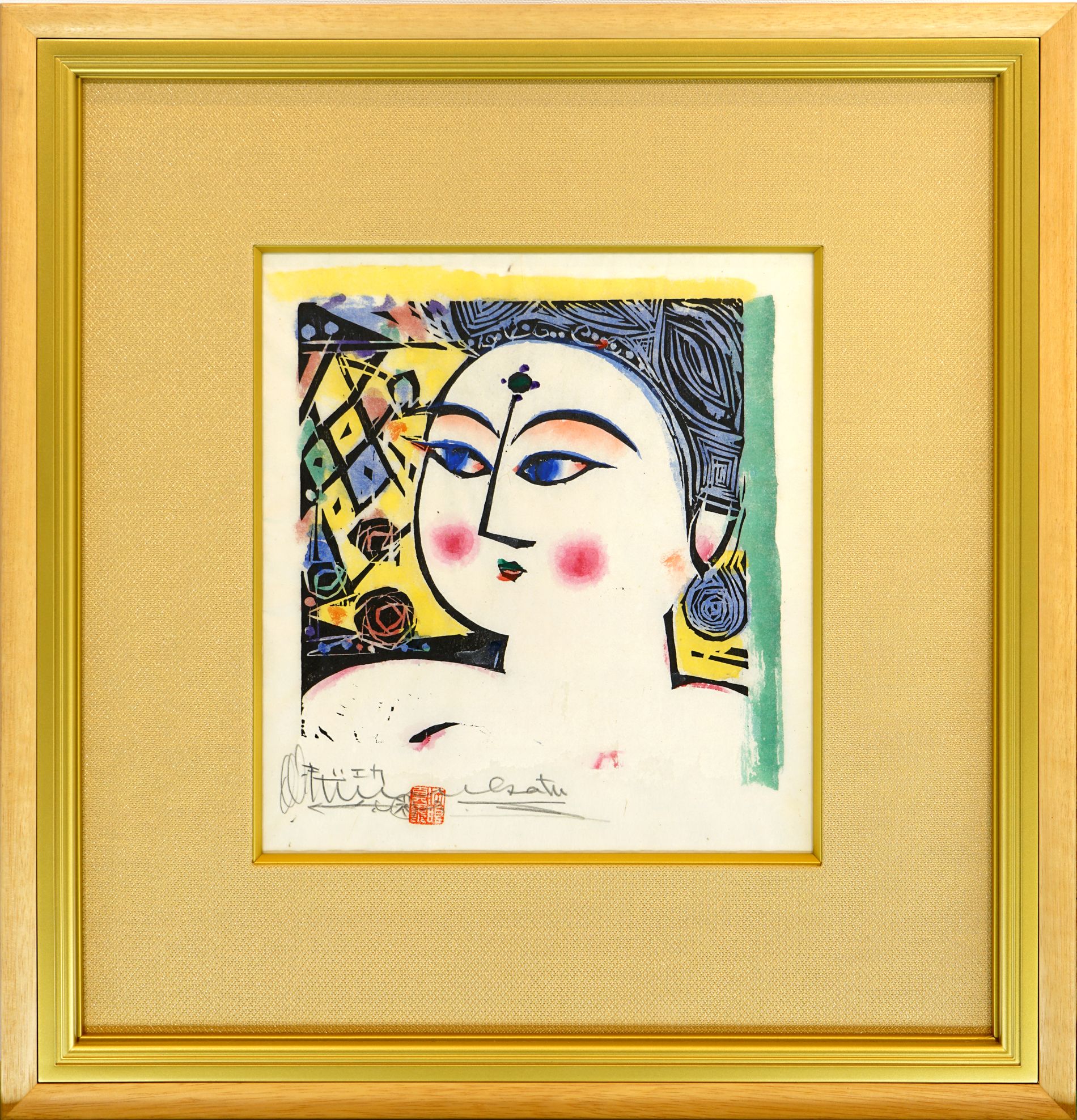
Shiko Munakata
Rose Princess
1961
Woodblock print with hand-coloring
Painting
H23 × W21.5 cm
Artist Profile
Printmaker. Born in Aomori City, passed away in Tokyo. In 1928, he visited Un’ichi Hiratsuka and began making prints. He exhibited oil paintings at the Teiten (Imperial Art Exhibition) and woodblock prints at the Japan Creative Print Association Exhibition and the Shunyōkai Exhibition. From 1930 onward, he presented major works at the Kokugakai (National Painting Association). With his unique sense of form, he referred to his own woodblock prints as hanga (board prints), and also created hand-painted works that he himself called Yamato-e (Japanese-style paintings).
Masters
Detail- SECTION :
- AFAF Special Booth
- BOOTH :
- A04

Pablo Picasso
Woman's face
1953
Ceramic
Others
H38.7 × W31.7 cm
Artist Profile
1881 Born in Málaga, Spain
1897 Enrolled at the Royal Academy of San Fernando
1901 First solo exhibition in Paris; “Blue Period” begins
1905 “Rose Period” begins
1907 Created “Les Demoiselles d’Avignon”
1908: Founded Cubism with Braque and others
1909: Period of Analytical Cubism
1912: Began working with papier collé; also entered the Synthetic Cubism period
1920: Neoclassical period
1925 Approaches Surrealism
1937 Protests German bombing of Guernica, creates Guernica
1939 Solo exhibition at the Museum of Modern Art, New York
1964 Retrospective exhibitions in Japan and Canada
1970 Picasso Museum opens in Barcelona
1973 Dies in Mougins
Masters
Detail- SECTION :
- AFAF Special Booth
- BOOTH :
- A04

Taikan Yokoyama
Reiho Fuji
1937
Color on silk
Painting
H45.8 × W57 cm
Artist Profile
Born in 1868 in Mito, Hitachi Province (present-day Mito City, Ibaraki Prefecture). In 1889, he enrolled as a first-year student at the Tokyo Fine Arts School, studying under Tenshin Okakura. In 1898, he participated in the founding of the Japan Art Institute alongside Okakura. Throughout the Meiji, Taishō, and Shōwa eras, he dedicated himself to creating a new form of Japanese painting, bringing innovation to modern Nihonga. In 1937, he was awarded the Order of Culture. He passed away in 1958.
Masters
Detail- SECTION :
- AFAF Special Booth
- BOOTH :
- A04

Yoshishige Saito
Untitled
Oil painting on plywood (using a drill)
Painting
H17.2 × W13.4 cm
Artist Profile
Born in Tokyo, he began his career during the formative years of Japan’s prewar avant-garde art movement, joining the Avant-Garde Western Painting Institute in 1933, organized by Harue Koga, Seiji Tōgō, and others. In 1938, together with Jirō Yoshihara, Osamu Yamaguchi, and others, he formed the Nika “Kyūshitsukai” (Nine Rooms Society), and the following year participated in the establishment of the Bijutsu Bunka Kyōkai (Art Culture Association), which centered on Surrealist artists such as Ichirō Fukuzawa.
He pursued an expression that transcended the boundaries between painting and sculpture, and his formative thinking had a profound influence on postwar Japanese art. It extended to members of the Experimental Workshop, such as Katsuhiro Yamaguchi and Shōzō Kitadai, as well as to Mono-ha artists including Nobuo Sekine, Katsuro Yoshida, Katsuhiko Narita, Susumu Koshimizu, and Kishio Suga. In this way, he played a leading role in shaping Japanese art from the prewar through the postwar period.
Masters
Detail- SECTION :
- AFAF Special Booth
- BOOTH :
- A04

Sotaro Yasui
chestnuts and pomegranates
1935
Oil on canvas
Painting
H24.4 × W48.5 cm
Artist Profile
Born in 1888 (Meiji 21) into a merchant family in Kyoto, he entered the Shōgoin Western Painting Institute at the age of sixteen, studying under Asai Chū. In 1907, he traveled to France and enrolled at the Académie Julian. By 1910, he devoted himself to independent work outside the academy, strongly influenced by Cézanne. Returning to Japan in 1914 (Taishō 3), he presented 44 works produced during his stay in Europe as special entries at the second Nika Exhibition the following year, which drew wide acclaim.
However, upon his return, Yasui struggled to adapt to the differences in models and landscapes available in Japan, leading to a period of stagnation. After a long phase of exploration, in 1931 (Shōwa 6) he completed Landscape on the Outer Bōsō Peninsula (Ohara Museum of Art), arriving at what became known as the “Yasui style,” characterized by forms deformed on the basis of realism and an intellectually composed pictorial structure. He also produced a succession of outstanding portraits.
In 1936, he co-founded the Issuikai. In 1944, he was appointed professor at the Tokyo School of Fine Arts (now Tokyo University of the Arts). Together with his lifelong rival Ryūzaburō Umehara, he helped establish what came to be called the “Umehara–Yasui Era,” a defining period in the history of modern Western-style painting in Japan.
Masters
Detail- SECTION :
- AFAF Special Booth
- BOOTH :
- A04