


AFAF AWARD powered by E.SUN BANK|Review Comments on the Selected Works
Aug 21, 2025We are pleased to announce the release of jury comments on the selected artists of the AFAF AWARD powered by E.SUN BANK.
Through the perspectives of each juror, these reviews highlight the unique qualities and points of evaluation that led to the selection of the awarded works.
【Jury Overall Comments】
◆AFAF AWARD
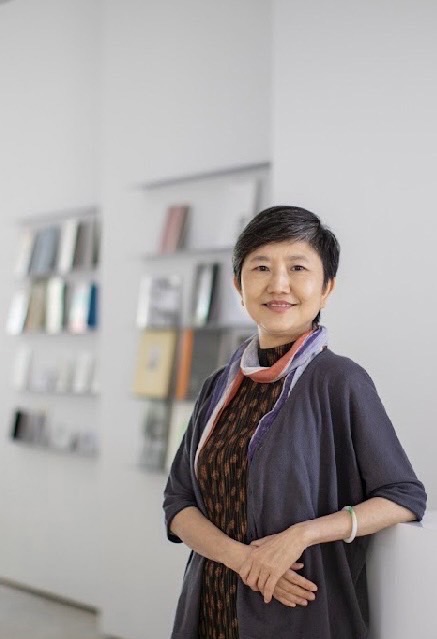
Li Yu-Ling(Director of the Asia University Museum of Modern Art / Former Director, Kaohsiung Museum of Fine Arts)
As a special program of Art Fair Asia Fukuoka, the first international open-call exhibition, the AFAF AWARD, was launched this year. Despite the extremely short application period, the award received 800 submissions across two categories, a result that demonstrates its remarkable reach and visibility.
Applicants were primarily from Japan—especially artists with connections to Fukuoka—and Taiwan, with additional, though fewer, submissions from Europe, other parts of Asia, and Southeast Asia. The diversity of fields, artistic styles, and thematic approaches was clearly evident among the works submitted.
At the same time, perhaps due to the award’s foundation within the framework of the commercial art market, many of the submissions were concentrated in painting and other two-dimensional works. The themes often focused on personal reflections, intimate emotions, or technical explorations of specific materials. By contrast, works addressing subjects more frequently associated with contemporary art—such as historical inquiry or social and political issues—were relatively limited.
Nevertheless, from the perspective of Art Fair Asia Fukuoka serving as a promotional platform, the inauguration of this international open-call award is highly meaningful. I look forward to seeing its professional direction further clarified and expanded, and to witnessing its continued growth in the years ahead.
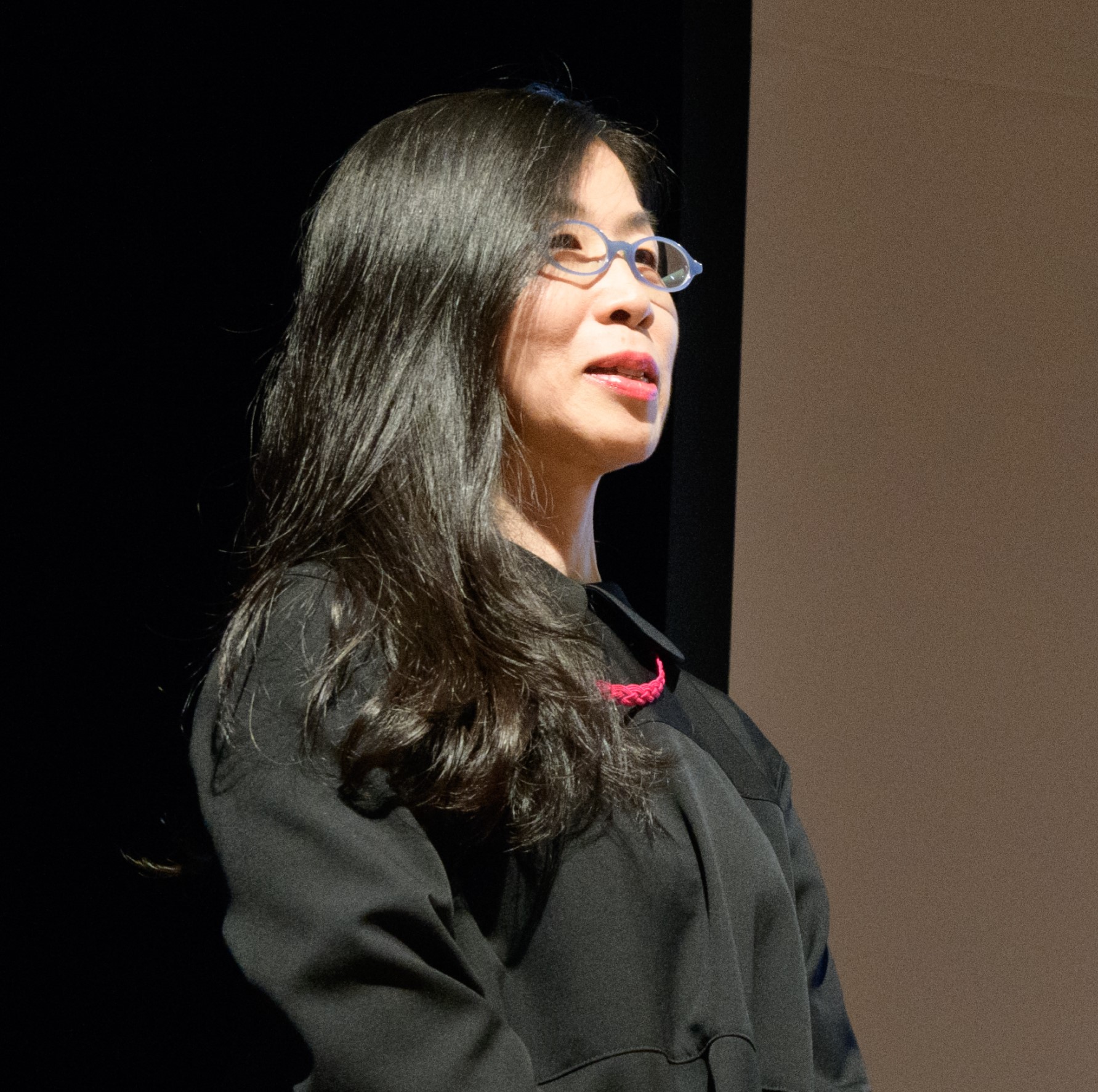
Etsuko Iwanaga(Director of Fukuoka Art Museum / Director of Fukuoka Asian Art Museum)
With nearly 350 applications submitted for this award, I was deeply impressed by the passion for creation shown by the applicants and their strong interest in Taiwan.(omitted later)
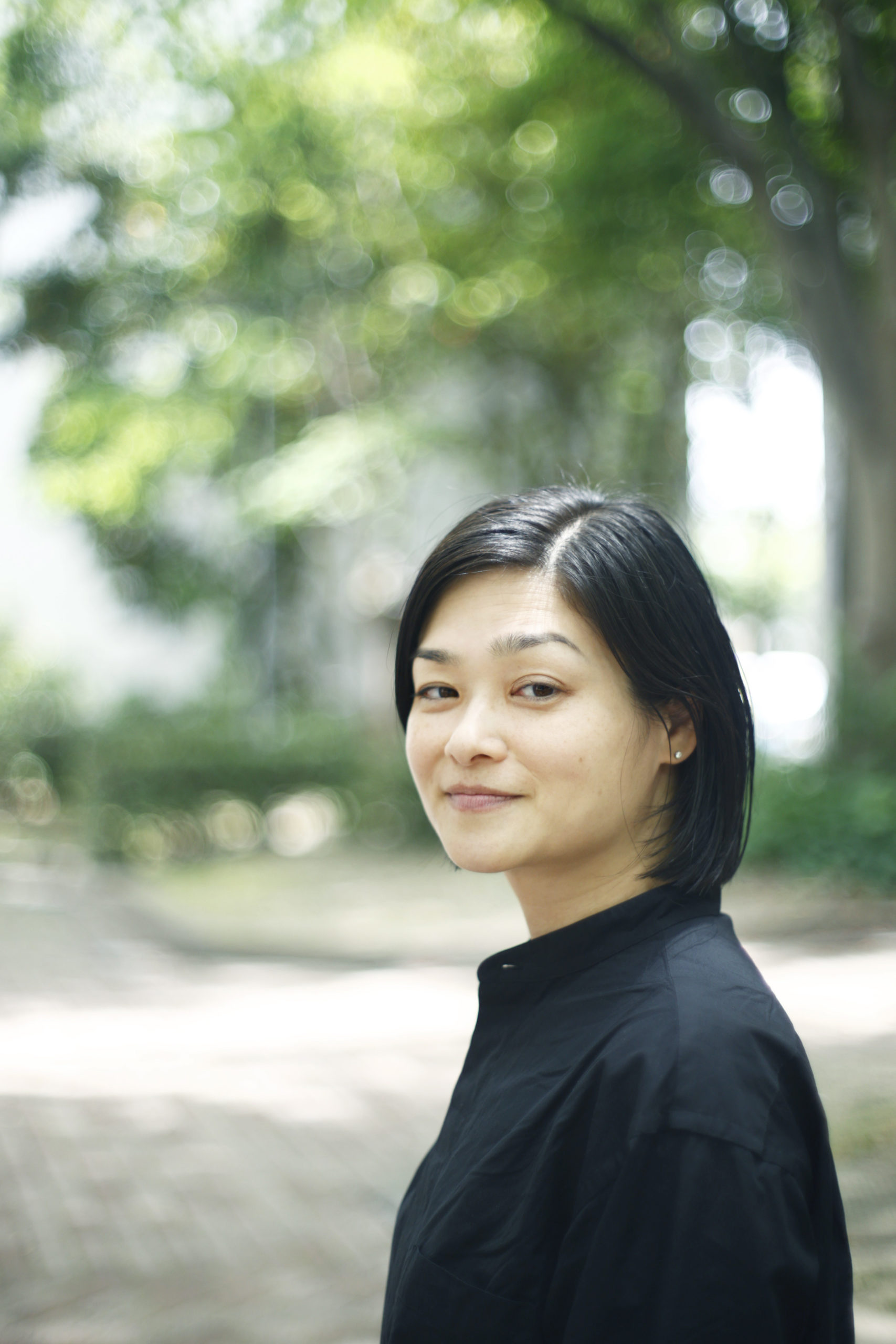
(c)Shino Chikura
Madoka Yuki(Associate Professor, Faculty of Design, Kyushu University)
To thrive internationally in the field of contemporary art, I believe it is vital to develop concepts that originate from everyday life and the self, yet move beyond the purely personal to engage with broader issues of contemporary society. In this context, I see growing importance in works that employ photography, especially in today’s age when AI-generated images are rapidly spreading. With this perspective, I selected works for exhibition that reflect a keen awareness of contemporary society and demonstrate thoughtful use of media.
◆AFAF AWARD GATEWAY
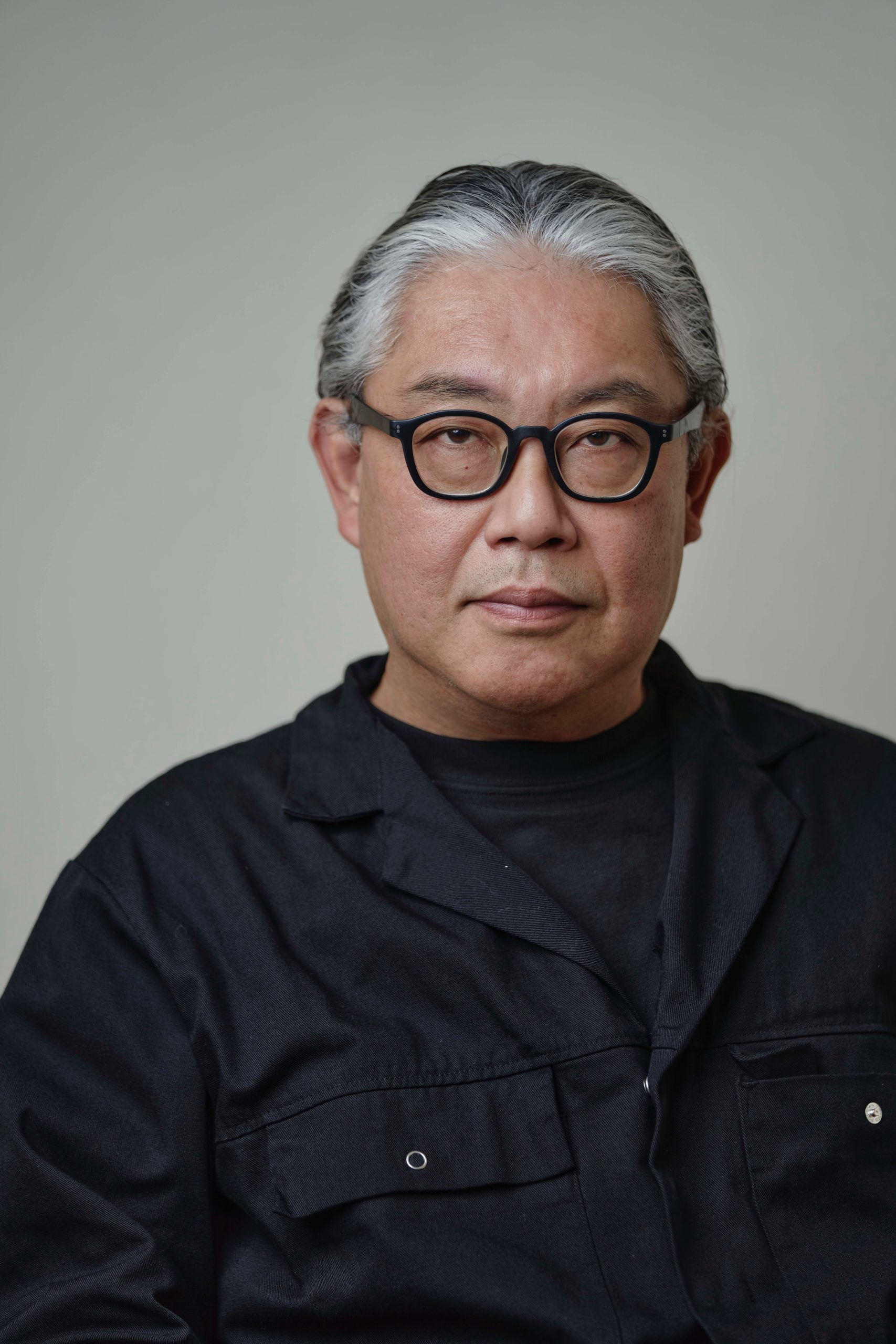
Photo:Tadayuki Minamoto
Daisuke Miyatsu(Art Collector, Professor of Yokohama University of Art and Design)
We were delighted to receive a wide range of applications, from students to seasoned professionalsveterans, regardless of country, region or generations. age.
Also, perhaps reflecting the diverse times we live in, we received works not only on a variety of themes but also using a wide variety of techniques and materials, making the judging process both engaging and inspiring. which made judging them extremely fascinating.
And e Each work showed the artist’s efforts to exploreing universal values while pursuing their own individuality.
This “gateway” is just the beginning. We eagerly anticipate the journeys ahead for all the artists who applied, and we look forward to witnessing their continued dedication and remarkable achievements. and we look forward to the long journey ahead for all the artists who applied, and we look forward to their continued hard work and great achievements.
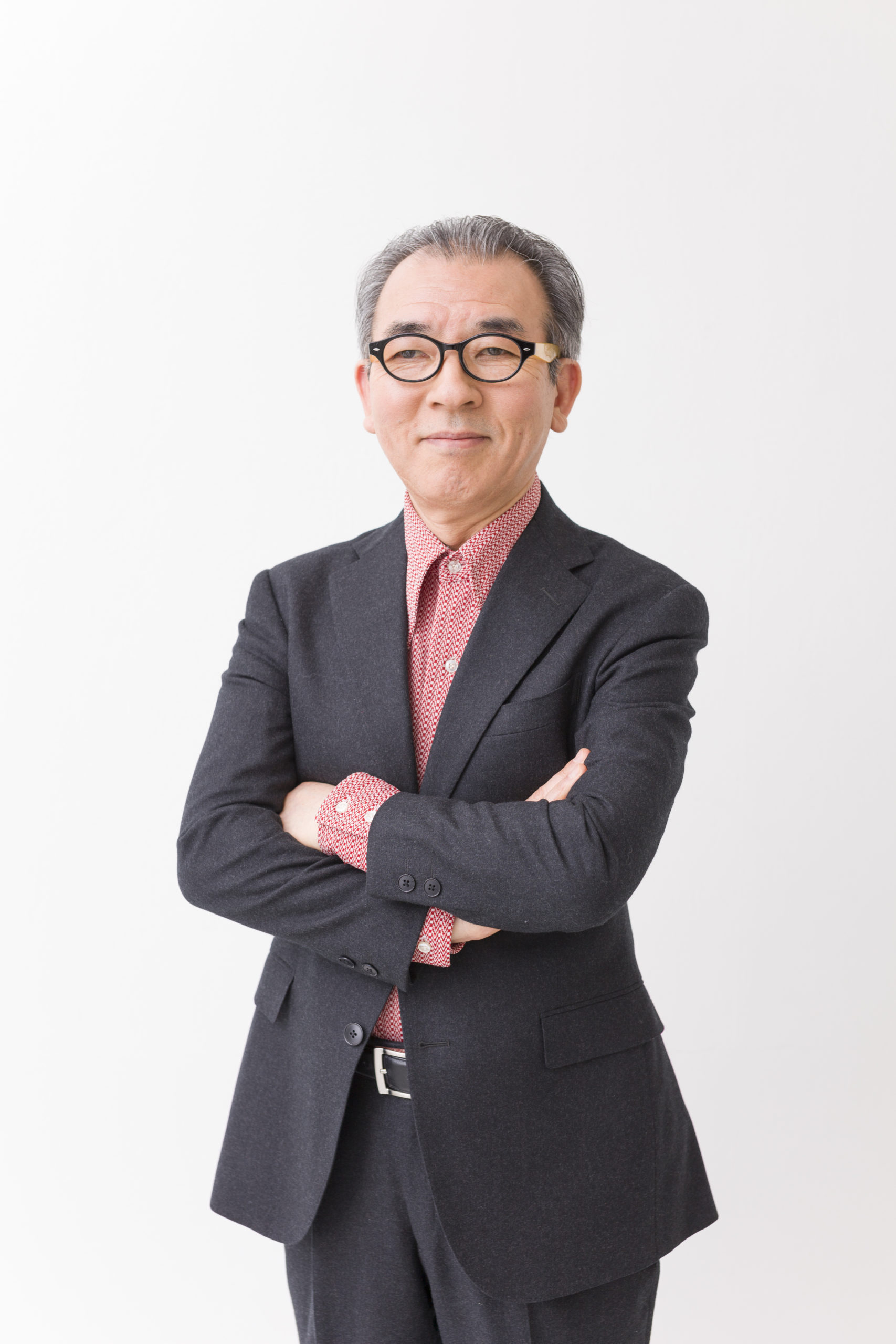
Hozu Yamamoto(Representative of Tokyo Gallery + BTAP)
First of all, receiving hundreds of submissions itself is already a remarkable success., and narrowing them down to just a few was an exceptionally difficult task. Rather than offering a general review, I would like to share the following thought: in today’s world, art represents one of the highest-value cultural assets. It is therefore both natural and essential, within a capitalist society, for financial institutions to support artists. Learning that E.SUN Bank in Taiwan would sponsor the AFAF AWARD, with the aim of fostering connections between artists and galleries, I was honored to accept the role of judge.
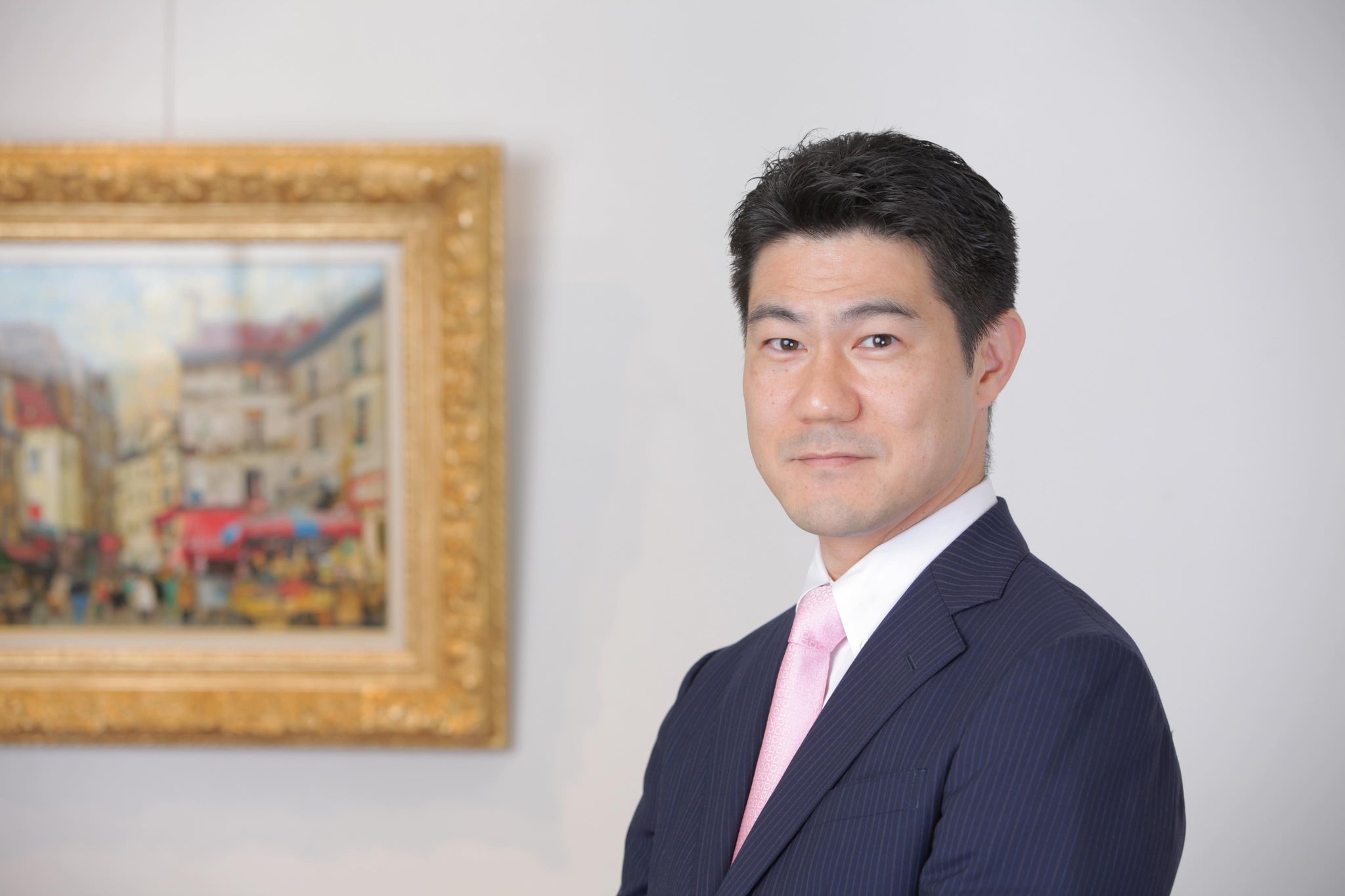
Yasushi Kawata(Representative of Kawata Gallery / Director of Kobe Art Promotion Association)
We received a wide variety of excellent works from a wide range of artists, both from within Japan and overseas, particularly from across Asia, from young artists to seasoned professionals.veterans. The overall level of completion was remarkably high, and the exhibition space had a rich narrative and visual impact. While we took into consideration the background and career history of the artists to explore their potential and growth potential, we placed the greatest emphasis on the works themselves when judging the entries.
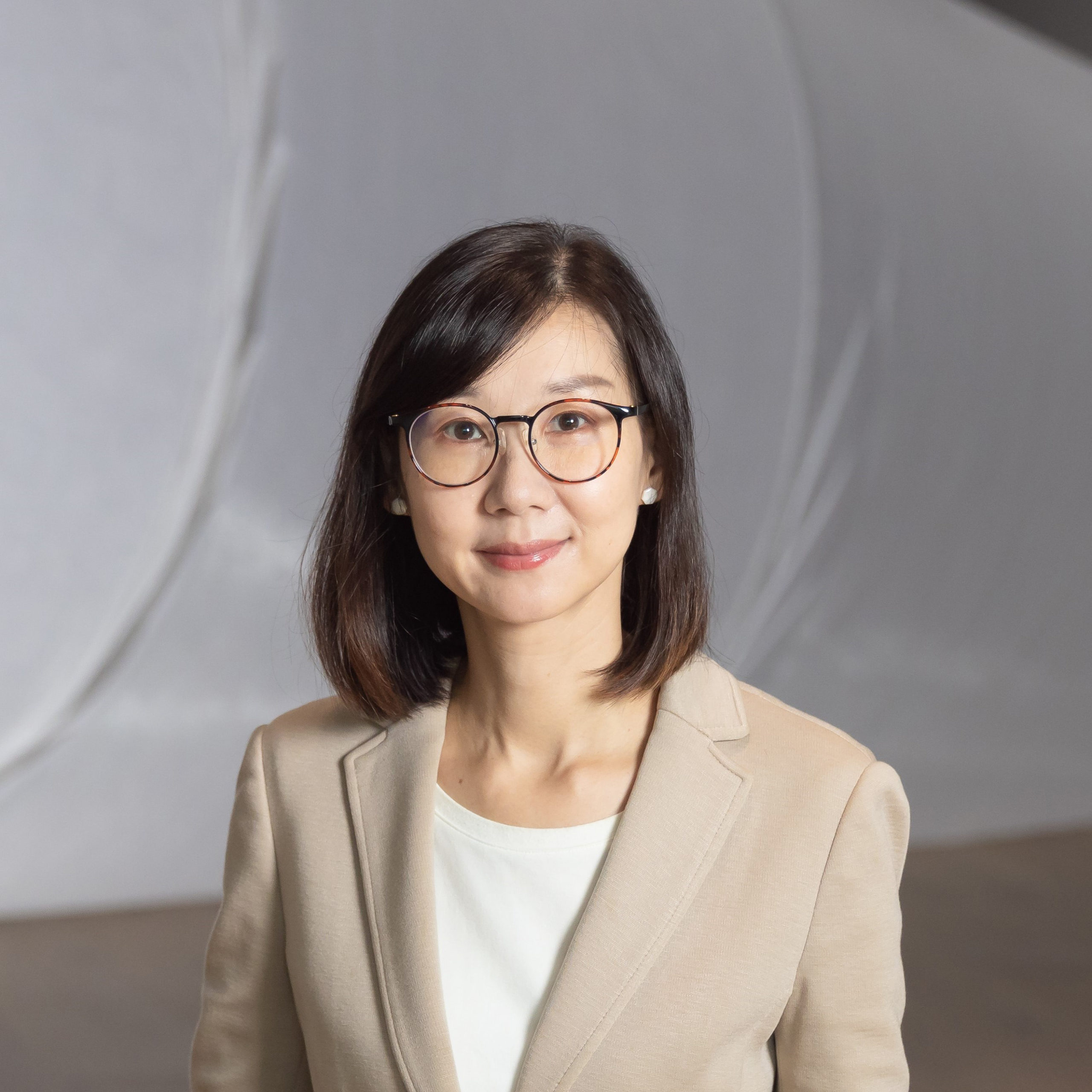
Huang Shan-shan(Director, Jut Art Museum)
What is important in an open exhibition at an art fair is the opportunity to connect with the galleries that support sustain the art market. I believe that this is about recognizing “art history.” Within this context, the participating artists were more conscious of concepts than ever before, and some of the works were truly worth seeing. I look forward to seeing works that contain deep philosophies, contemporaneity, and innovative messages.
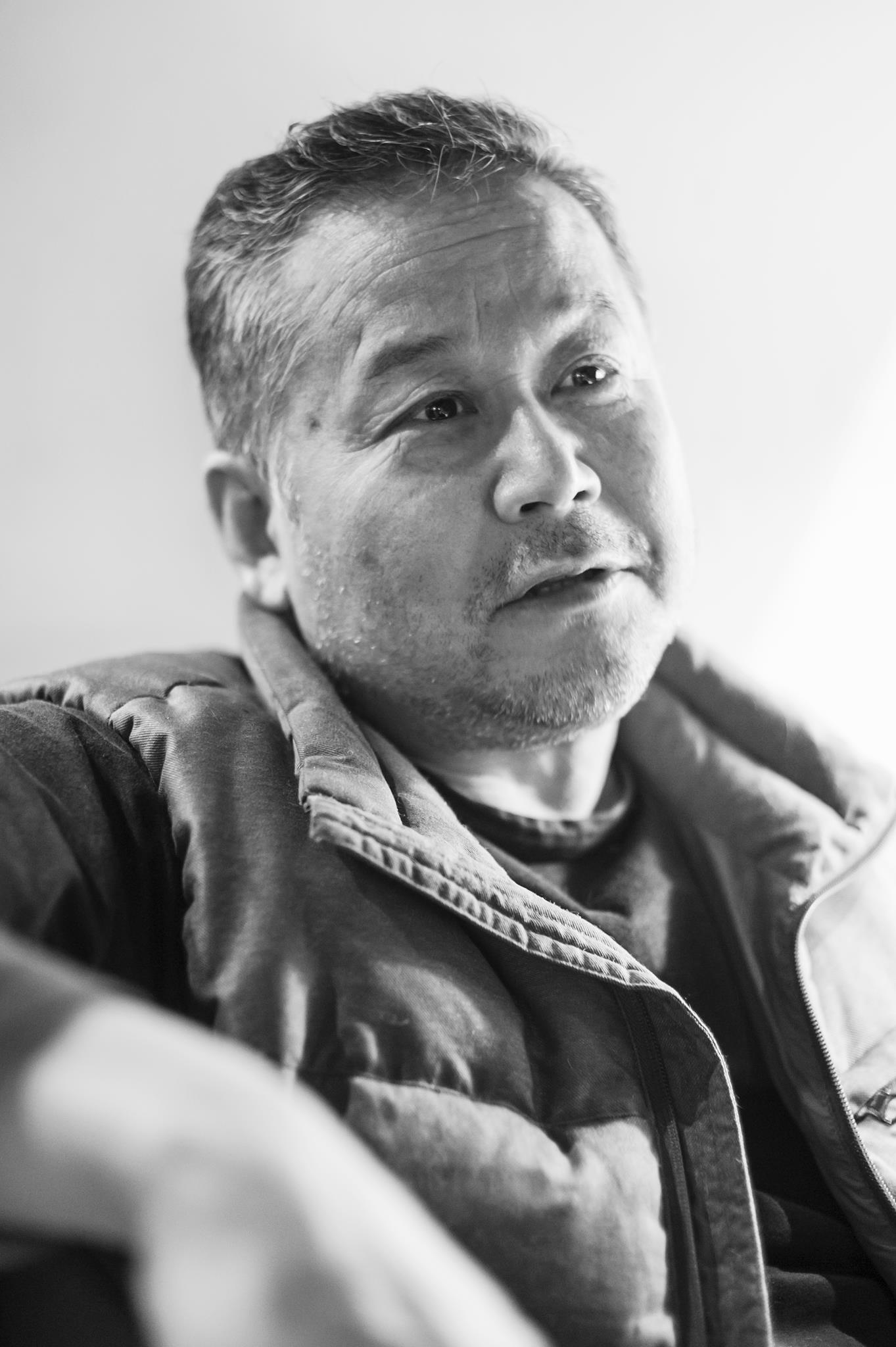
Shunichiro Morita(Gallery Morita Representative / Director of ART FAIR ASIA FUKUOKA)
This open-call exhibition brought together a wide range of submissions from across Asia. The works showed great variety not only in themes and formats, but also in artistic techniques and approaches. Especially noteworthy were the attempts to reinterpret refined traditional craftsmanship through the lens of contemporary art, creating a dialogue between heritage and innovation.
Among the works, what stood out most were those exploring how digital technology shapes human perception. These pieces reflect the conditions and struggles of our contemporary society, while also pointing toward future directions for artistic exploration and development.
Overall, the submissions reached a very high standard and once again highlighted the strong potential of contemporary art in Asia.
【Jury Comments on Selected Artists】
◆AFAF AWARD
YUKI IDEGUCHI @yuki_ideguchi
[Judge]Kazunobu Abe
I have been keeping an eye on this artist for some time, so I am delighted that he has submitted this work. The level of completion of his work is backed by solid technique and knowledge of art history. His concept as an artist must have been established through his long experience abroad. He has a sense of time that those living in the modern age can have, and a story that is full of originality. I felt that he has established a world of work that is full of the elements required of contemporary art. The three pieces in this competition are painted on the theme of space flight, set in the Apollo program, and although they are a series, each piece is a complete work in itself, and I felt that they are full of appeal, as they are filled with modernity, the artist’s respect for traditional beauty, and the artist’s own dreams and messages.
Orecho HONDA @orechostudio
[Judge] E.SUN BANK
The artist has developed his own unique painting techniques and aesthetic sensibility, based on the core concept of “a real world created by perspective.” He skillfully combines holographic materials with painting, creating completely different, dynamic visual effects as the viewer’s perspective shifts. This innovative technique, which transforms the material itself into a tool for expressing “perspective,” transcends the two-dimensional flatness of traditional painting and endows the work with a strong sense of interactivity and vitality.
In the dogwood depicted in this work, some areas are intentionally left with the inherent iridescence of the holographic material, while others are given a special texture resembling opaque paint or engraved marks. This treatment also reflects the multi-layered aspects of reality. Through the static flower and dynamic light and shadow, the work displays captivating beauty and skill, while also prompting the viewer to consider “which perspective will shape their own reality?” This “multi-perspective” expression is playful and leaves a strong impression.
The artist has already established a distinctive style of painting, and with universal philosophical themes and powerful visual effects, his work has great potential for international development. People from any era, country, or cultural background will be able to resonate with this beautiful work and find it inspiring. We highly value this.
JongYuGyong @jong_yugyong
[Judge]Etsuko Iwanaga
Jung Yu-kyung is a third-generation Korean resident of Japan, born and raised in Japan, and currently living in Fukuoka. As a non-voting citizen, art is a way for him to express his views on society. His works are seamlessly constructed around the history of the Korean Peninsula and Japan, the emotions that arise there, and a broader perspective, strongly demanding the viewer’s interpretation and commitment. Viewers are confronted with his sense of discomfort and his reflections on it, which are felt whether in Japan or Korea. Having created works that confront/force others to confront others, I am extremely interested to see what kind of expression he will reach when he finds himself in another location, “Taiwan.” The perspective from a third place will surely deepen his work.
MOEGI NISHINO @iino_ovoii_work
[Judge]Li Yu-Ling
Moeka Nishino, who took on the challenge at the young age of 26, has presented her work in a large-scale installation that evokes a theatrical space, incorporating a variety of techniques including digital, video, and 3D. The combination of large scale and meticulous composition leaves a powerful impression on viewers.
Nishino, who graduated from Tama Art University’s Graphic Design Department in 2022, has not been bound by the boundaries of her education as a young female artist, focusing on religious themes such as Buddhism and Hinduism, which at first glance may seem distant from contemporary art. She continues to create works using her own unique visual expression and interpretation. In her short career, she has already released several series and garnered attention through various awards, demonstrating her high level of creativity and motivation.
In particular, the works in this exhibition feature a visually tense scene themed around a battle between mythological figures such as Ashura’s Daughter, Ashura, and Taishakuten, while presenting the theme of “compassion” as a hope for easing the chaos of modern society, prompting deep reflection in viewers.
Sakura Miyazaki @babynagasaki
[Judge]Madoka Yuki
I appreciated the way the artist conceptualized the contemporary aspects of contemporary art, asking how to interpret the present as contemporaneous in terms of confronting the past and future, and used photographs (especially archive photographs) to create a work of art. The perspective of a queer Japanese-American immigrant begins with a history related to “the self,” but does not remain within “the self”; it is also commendable for the way it is perceived as an issue in modern society, giving the viewer room to reflect. Furthermore, as it is a mixed-media work, I was intrigued to see what effect it would have when exhibited. While the works submitted this time do not primarily feature photography or archives, I hope to see works that utilize archival photographs in the final exhibition.
◆AFAF AWARD GATEWAY
Masatoshi Amemiya @masatoshi_amemiya
[Judge]Daisuke Miyatsu
His minimalist expression, which creates a charcoal-like effect, is combined with his firm thematic setting, his sharp gaze on his subjects, and his outstanding artistic ability to create a unique world of work that is filled with quiet madness.
Yuma Ishii @ishiiyuma_
[Judge]Huang Shan-shan
Using the traditional Japanese Yuzen paste dyeing technique, he superimposes his own aesthetic sense and sensibility onto the world that naturally “emerges” during the dyeing process. His works are presented as spatial installations, making a strong visual impact, and the rich layers of color demonstrate his advanced technical skill. The main reason for his selection is that he has accurately elevated traditional craftsmanship into contemporary art, and continues to create with a consistent theme.
INOUE YASUSHI @yasushiinoue_nagogama
[Judge]Hozu Yamamoto
The first thing that came to mind when I saw Inoue’s work “Red City” was “Almsgiving” (1992) by Montien Boonma (1953-2000) from Thailand, which is housed at the Fukuoka Asian Art Museum. “Red City,” with its chaotic piles of jar-like shapes, is in contrast to “Almsgiving,” with its orderly arrangement of begging vessels, but I like how it evokes the three-dimensional complexity of a modern city. “Love Shape,” meanwhile, is humorous in its shape, which represents something spilling from a jar, but it also has a creepy, negative image, giving it a distinctively Asian flavor. Ancient art from subtropical Asia, including Japan, has the scent of a life that blends with nature, and I could detect the same scent in Inoue’s contemporary ceramic works.
Fuma Kashiwagura @fuma_kashiwagura
[Judge]Huang Shan-shan
Observing the body objectively, the cut-out body is depicted as a symbol of “disability.” The partially extracted body combines the opposing elements of freedom and disability, shedding light on the “inconvenience” that lurks in human thought and action. This perspective overlaps with the image of modern people, whose bodies are augmented by technology but who lose their senses due to excessive dependence on it. The calm, detached screen imagery suggests a mechanical gaze, while also reflecting the decline and lack that inevitably resides within humans. The consistency of the world of the work is also striking, and we look forward to further developments in the future.
KUMO @kumo.works / @yukimorita.wakaruyo / @ryudaimisawa.works
[Judge]Daisuke Miyatsu,Hozu Yamamoto
Since the recent Documenta, the world has entered a golden age of artist collectives, and we look forward to the multiplicative synergy of their cutting-edge technology and creativity.(Daisuke Miyatsu)
Yudai Koga @shimesaba7113
[Judge]Daisuke Miyatsu
Although it is an orthodox portrait using the techniques and materials of so-called “Japanese painting,” the breathing and inner self of the subject resonates with the artist’s observational skills and brushstrokes, creating a unique atmosphere.
SANO Akira @aqr222
[Judge]Hozu Yamamoto,Huang Shan-shan
Using a 3D printer, he condenses urban streetscapes and technology into a form that embodies the consciousness of “natives” living in the digital age. His works strongly reflect a contemporary sensibility where the real world and online space intersect. He questions the relationship between major themes such as territory, place, underground resources, and value, and the individuals who are affected by them, demonstrating how materials and space shape human perceptions and inner selves. His works invite viewers to consider the concepts of “borders” and “ownership,” and the challenges humanity will inevitably face in the age of AI.(Huang Shan-shan)
Yuichi Shiroma @shi_take1234
[Judge]Yasushi Kawata
His works, primarily oil paintings, combine precise brushwork with a unique worldview, powerfully demonstrating the possibilities of painting. The balance between the tension lurking in the details and the bold composition speaks to the artist’s high technical ability and rich sensibility. His constant search for expression and willingness to flexibly take on new challenges brings depth and variety to his works, creating a lasting impression in the viewer’s mind. He is an artist to watch, and we expect him to continue to further enhance his creativity and expressive power, making him a highly anticipated artist both at home and abroad.
SHINTAROIWASA @shintaro_iwasa_
[Judge]Yasushi Kawata
Now moving into the world of contemporary art, his creations are marked by a unique sensitivity to materials and visual elements, and convey a strong desire to transform and elevate expression. At his exhibitions, his impressive compositional skills, including the entire space, and his emotional production of time invite viewers into a rich inner world. His work reveals a fusion of technique and poetry, as well as a flexible ability to adapt to change, making him an artist whose near-future developments are highly anticipated.
SUZUKI Kota @suzukikota.art
[Judge]Huang Shan-shan
This work seems to move back and forth between the real and digital worlds. It actively incorporates the “errors” that occur during the process of converting computer image data into text data, placing them at the heart of the work. By combining these accidental “errors” with physical materials such as foil and mineral pigments, the artist endows inorganic data with an organic texture. This process poetically depicts the boundary between the world of data and the real world, symbolically reflecting the state of modern life.
TAKEDA Keiko @keikotakedaart
[Judge]Shunichiro Morita
The pale, thin paintwork on Takeda Keiko’s canvases gives off a floating feeling, like a watercolor painting. At the same time, it also exudes a certain subdued tension. The combination of the rich color sense, the sense of distance, and the glimpses of melancholy is strangely intriguing.
Chang Yun-Chia @chia_s_art
[Judge]Kazunobu Abe
First of all, I found the theme and concept of the work very fascinating. Is it a depiction of a landscape that the artist actually saw? Is it a depiction of the future of humanity and nature? Do humans even exist in the world depicted? The nature and plants encroaching on the ruins give the impression of a gentle vitality, filled with a very soft light. I want to see the actual work to see what materials and techniques were used to create the pale colors that envelop the entire screen.
J FISH
[Judge]Kazunobu Abe
I felt the high level of skill in the extremely delicate, thin lines. Tiny lives are clearly breathing within the intricately drawn plants. The artist’s gaze, filled with gentle affection, is evident. The choice of motif, composition, and colors make the most of the artist’s technique, making this a highly refined piece.
Keito Tokoi @keito._.to
[Judge]Shunichiro Morita
The contrast of Keito Tokoi‘s vivid colors and the presence of the still lifes are striking. Her clean color sense is original. The surreal charm, influenced by great figures of the past, gives the impression of a story that is like a collage of time.
Mutsumi Hagiwara @mutsumi_hagiwara
[Judge]Yasushi Kawata
Her works, which preserve the memories of the world through glass, combine delicate forms with a visual quality overflowing with poetic sentiment, giving viewers the sensation of holding the crystallization of time in their hands. While balancing her creative endeavors with research, her proactive participation in exhibitions both in Japan and abroad further highlights the depth and potential of her work. Her creative world, born from a deep respect for materials and a ceaseless quest for expression, is sure to resonate with the hearts and memories of an ever-increasing number of people.
Ayaka Hatsu @hatsu_ayaka
[Judge]Shunichiro Morita
I found Ayaka Hatsu‘s refined sense of color fascinating. The color scheme, white space, and intentional yet random feel liberating. I suspect he is always aiming for a poetic relationship with the things we encounter in our daily lives. I was impressed by the message in his statement.
Haruto @haruto_7504
[Judge]Hozu Yamamoto
When I was 20 years old, I saw Andy Warhol’s “Electric Chair” (1967-68) in a magazine and it taught me that true art always carries the shadow of death. I chose this piece because I sympathized with 21-year-old Haruto’s use of the electric chair. Bringing the electric chair, a symbol of legalized violence, out into the streets could be described as positive vandalism. Reversing the negative image of the electric chair in an execution chamber is in keeping with contemporary art. I believe the creativity of art lies in slightly tinkering with history and making people realize that viewing is also thinking. I look forward to seeing the actual work and pondering the reasons behind the locations chosen as backgrounds.
MOTOMITSU FUJIWARA @fujiwara_1222
[Judge]Kazunobu Abe
To be honest, I couldn’t help but wonder. What kind of world exists inside this artist’s mind, and what does he see? I felt that there must be something beyond the comprehension of ordinary people. I can’t really understand the technical aspects until I see the actual work, but I wanted to see what kind of works would emerge from this instinctive and overwhelmingly unique worldview in the future.
Jumpei Yamamuro @jumpeiyamamuro
[Judge]Kazunobu Abe,Daisuke Miyatsu
His style of transposing classical landscapes into contemporary paintings and recreating them in modern spaces with a pop touch and color will surely be well received by many people living in this era. The artist’s determination to continue creating and maintain the quality of his work, even if it is just drawing one line a day, suggests a bright future.(Kazunobu Abe)
The perspective and style of Japanese landscape painting is fused with hip hop and graffiti culture at a high level.(Daisuke Miyatsu)
ANCO @anco_ceramics
[Judge]Yasushi Kawata
Based in Taiwan, he develops a unique style of ceramic expression. His simple yet powerful forms and attention to texture convey a presence that seems to speak to us. His active participation in exhibitions and events is evident, and his activities, which combine practice and creativity, are worthy of praise. His approach of engaging with materials and pursuing expressions that are deeply connected to modern life is extremely appealing, and we hope that he will continue to gain sympathy and support from many people and expand the scope of his activities.
Chingke,Lin @grid.atelier
[Judge]Hozu Yamamoto,Huang Shan-shan
This artist combines Taiwan’s traditional bamboo weaving techniques with modern symbols and cultural symbols to create spatial installations with diverse meanings.
By using Taiwan’s traditional bamboo weaving techniques and combining them with a variety of modern symbols and cultural symbols, he expresses the fusion of natural ecology and cultural spirit. From small wall hangings to large spatial installations, he creates spatial expressions to meet a variety of needs, and his creations are open and flexible, symbolizing the inclusiveness and coexistence in Taiwanese culture. He demonstrates the diverse possibilities of contemporary art, and we hope to see even broader development in the future.(Huang Shan-shan)
We hope that the words shared by the jurors will serve as valuable insights for the selected artists in their future creative endeavors.
Once again, we would like to express our sincere gratitude to all who submitted their works for consideration.
[Exhibition Information]
The selected works will be exhibited at ART FAIR ASIA FUKUOKA 2025, held at Marine Messe Fukuoka, Hall B, from September 26 (Fri) to 28 (Sun), 2025.
Title:ART FAIR ASIA FUKUOKA 2025
Dates:Friday September 26th – Sunday September 28th, 2025*VIP View on Thursday September 25th, 2025
Venue:MARINE MESSE FUKUOKA Hall B(2-1 Okihama-machi, Hakata-ku, Fukuoka City, Fukuoka)
Main Organisatio:General Incorporated Association ART FAIR ASIA FUKUOKA
Co-organizers:Fukuoka City / Culture Vision Japan Foundation Inc.